Boeing 787-9 Diverted to LAX: What Happened and Why It Matters
American Airlines Flight 167 Returns to Los Angeles
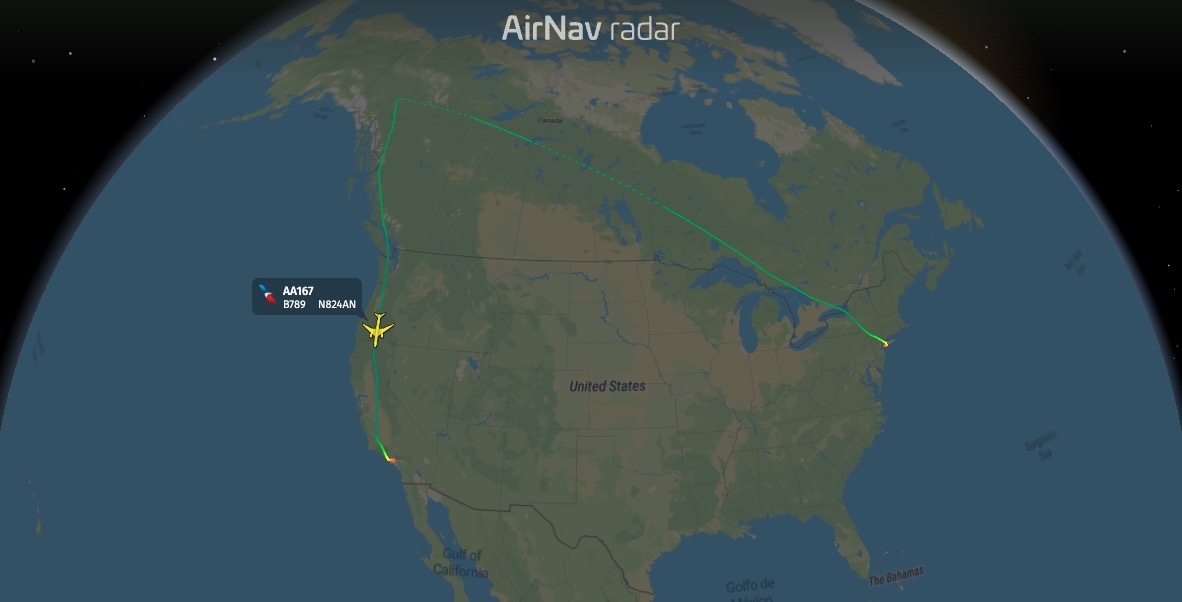
A recent flight, American Airlines Flight 167, operating a Boeing 787-9 Dreamliner and scheduled to depart for Tokyo, Japan, made an unexpected diversion back to Los Angeles International Airport (LAX). The aircraft had been in the air for nearly 10 hours, having crossed a significant portion of the Pacific Ocean, before the decision was made to return. Passengers aboard the long-haul flight faced a significant delay and an abrupt change of plans as the plane landed back in its origin city.
Why the Diversion? Unpacking the Details
While the exact cause for the diversion has not been publicly disclosed by American Airlines or Boeing, such diversions are typically initiated due to mechanical issues or unforeseen operational concerns that compromise the safety or comfort of the flight. The Boeing 787-9 is a modern, wide-body aircraft known for its efficiency and passenger amenities, making a diversion after such a long duration particularly noteworthy. Reports suggest the pilot made a sharp turn back towards the U.S., indicating a serious enough concern to warrant the return trip rather than continuing towards its intended destination.
The Significance of a Long-Haul Diversion
Diversions, especially on transoceanic flights, are complex operations. They involve significant logistical challenges, including re-accommodating passengers, arranging for a replacement aircraft if necessary, and investigating the cause of the issue. For passengers, it means a prolonged travel experience, potential overnight stays, and considerable disruption to their travel plans. The fact that this diversion occurred so far into the flight underscores the critical nature of the decision-making process for flight crews, who are trained to prioritize safety above all else.
Background: The Boeing 787 Dreamliner
The Boeing 787 Dreamliner is a twin-engine, wide-body jet airliner developed by Boeing Commercial Airplanes. It is considered one of the most advanced passenger aircraft in service today, featuring a fuselage primarily constructed from composite materials. The 787-9 is a stretched variant of the original 787-8, offering increased passenger and cargo capacity. While the Dreamliner has a strong safety record, like all complex aircraft, it is subject to occasional technical issues that may necessitate diversions.
This particular incident involving American Airlines Flight 167 has drawn attention from aviation enthusiasts and the general public alike. It serves as a reminder of the rigorous safety protocols in place within the airline industry and the critical role of pilots in ensuring the well-being of everyone on board.
"Safety is our highest priority, and our flight crews are trained to make the best decision for our customers and crew. We apologize for the disruption to our customers' travel plans."
– A typical airline statement regarding flight diversions.
What to Expect Next
Following the diversion, American Airlines would have initiated procedures to assist the affected passengers. This typically includes providing accommodation, meals, and rebooking them on alternative flights to Tokyo as soon as possible. The aircraft itself would undergo thorough inspection and maintenance by engineers to identify and rectify the issue before it is cleared to fly again. Updates on the specific cause of the diversion may be released after the investigation is complete, though airlines often keep such details confidential to avoid unnecessary alarm.
The incident highlights the operational realities of international air travel and the constant vigilance required to maintain the highest safety standards. While a diversion is an inconvenience, it ultimately represents a successful application of safety procedures designed to prevent potential hazards.
Key Takeaways:
- An American Airlines Boeing 787-9 was diverted to LAX after nearly 10 hours of flight to Tokyo.
- The diversion was a safety measure taken by the flight crew.
- Passengers were likely re-accommodated, and the aircraft will undergo inspection.
- The Boeing 787-9 is a modern, advanced aircraft with a generally strong safety record.
This event, while concerning for those involved, reinforces the aviation industry's commitment to passenger safety, demonstrating that even late into a flight, safety protocols are paramount.