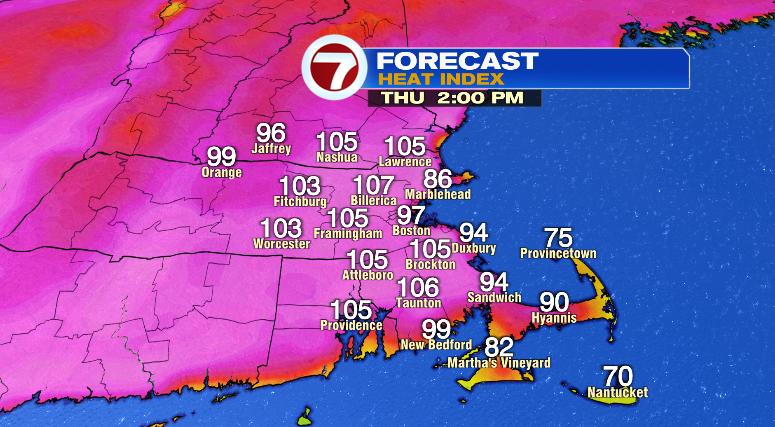
Boston Weather: Region Braces for Extreme Heatwave
The Greater Boston area and much of New England are currently experiencing a significant weather event that has captured widespread attention: an intense heatwave. Trending topics related to "boston weather" are dominated by forecasts predicting "feels-like" temperatures soaring into the 100s due to a combination of extreme heat and oppressive humidity. This dangerous weather pattern has prompted advisories and alerts, urging residents to take necessary precautions.
What is Happening?
Forecasting models indicate that the upcoming days will bring dangerously high heat and humidity to the region. While the actual air temperature might be high, the added moisture in the air will make it feel significantly hotter. News outlets are reporting that "feels-like" temperatures, also known as heat index values, could reach or exceed 100 degrees Fahrenheit in many parts of Massachusetts and surrounding states. This level of heat poses a significant risk to public health.
Specifically, the city of Worcester is being highlighted as a location that could see some of its hottest weather ever recorded this week. Inland areas often experience higher temperatures than coastal regions, and the confluence of factors this week points towards potentially historic heat. An Extreme Heat Watch has been issued by the National Weather Service, covering Wednesday through Friday, signaling the potential for prolonged periods of dangerous heat, with little overnight relief.
Why Does This Extreme Heat Matter?
The significance of this heatwave extends beyond mere discomfort. Extreme heat is a serious public health threat. Prolonged exposure can lead to heat exhaustion and the more dangerous heatstroke, which requires immediate medical attention. Vulnerable populations, including the elderly, young children, individuals with pre-existing health conditions, and those without access to adequate cooling, are at particularly high risk.
"When the heat index reaches these levels, the body has a much harder time cooling itself down. Staying hydrated and finding air-conditioned spaces become critical," a meteorologist from the National Weather Service stated in a recent briefing.
Beyond health concerns, the heatwave can impact infrastructure, increase energy demand for cooling, and affect outdoor activities and work. Local governments and emergency services are preparing to manage potential issues related to the extreme temperatures, including opening cooling centers and issuing public health guidance.
Background Context: New England Heatwaves
While New England is known for its distinct seasons, including hot summers, the intensity and duration of heatwaves have become a growing concern. Climate change projections suggest that such extreme weather events may become more frequent and severe in the region. Historically, summers in Massachusetts can bring periods of heat, but meteorologists note that the combination of sustained high temperatures and humidity levels forecasted this week is particularly noteworthy.
The typical weather pattern leading into this event has been described as warm and dry, making the sudden shift to extreme heat and humidity even more impactful. Understanding the local climate and historical temperature data helps contextualize the current warnings, emphasizing that while heat is normal, the predicted "feels-like" temperatures are beyond the norm for many.
What to Expect Next
The Extreme Heat Watch is in effect from Wednesday through Friday, indicating that the core of the heatwave is expected during this period. Residents are strongly advised to:
- Stay hydrated: Drink plenty of water, even if you don't feel thirsty. Avoid excessive alcohol and caffeine.
- Seek air conditioning: Spend time in air-conditioned environments. If your home is not air-conditioned, visit public cooling centers.
- Limit outdoor activity: Reduce strenuous activities, especially during the hottest part of the day (typically mid-afternoon).
- Check on vulnerable individuals: Ensure that elderly neighbors, young children, and those with health conditions are staying cool and safe.
- Recognize heat illness symptoms: Be aware of the signs of heat exhaustion (heavy sweating, weakness, cold/pale/clammy skin, fast/weak pulse, nausea) and heatstroke (high body temperature, hot/red/dry/wet skin, rapid/strong pulse, confusion, unconsciousness).
As the week progresses, forecasters will continue to monitor the situation closely. Relief might be gradual, and it's important to remain vigilant until the temperatures return to more seasonable levels. The current focus is on mitigating the immediate risks posed by this dangerous meteorological event.