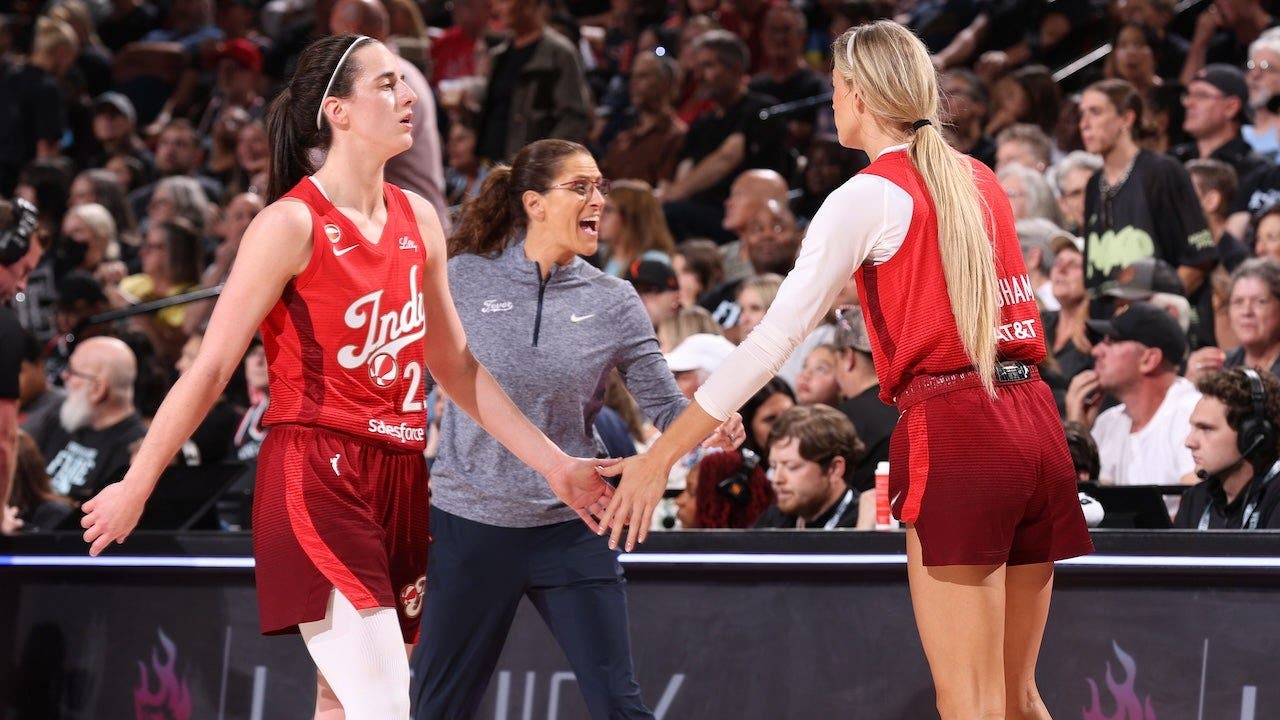
Caitlin Clark at the Center of Media and WNBA Dynamics
Caitlin Clark, the highly anticipated rookie sensation, continues to be a dominant force not just on the basketball court but also in sports media discussions. Her presence in the WNBA has brought unprecedented attention and viewership, yet it has also become intertwined with ongoing conversations about her media access, accountability, and her relationship with veteran players in the league. Recent events have amplified these discussions, placing Clark and the broader context of women's basketball under a microscope.
What Happened?
The recent trend around Caitlin Clark is multifaceted, stemming from a combination of on-court achievements and off-court narratives. One significant event that propelled her into trending discussions involved her team restricting media access following a notable performance. Despite achieving a triple-double, Clark was reportedly kept from speaking with reporters. This decision was amplified when her coach made viral comments regarding women's sports, sparking debate about the rationale behind shielding Clark and the broader message it sent.
Adding fuel to the fire are public commentaries from prominent sports figures. Jemele Hill, a respected voice in sports media, has pushed back against narratives suggesting WNBA players are actively trying to "hurt" Clark or are inherently resentful of her. Hill's perspective suggests a more nuanced situation, implying that the focus should be on the league's dynamics rather than a simple animosity towards Clark. Conversely, ESPN's Monica McNutt has been critical, pointing to a perceived lack of "accountability" from Clark herself in addressing the "hate" directed towards WNBA players, further complicating the public perception of the situation.
Why It Matters
The trending status of Caitlin Clark highlights critical issues within professional women's sports. It brings to the forefront the intense pressure on superstar athletes, the role of media in shaping narratives, and the delicate balance between fostering individual talent and respecting the established league ecosystem. The discussions around Clark's media access and the reactions from analysts and former players reveal a deeper conversation about:
- Media Management and Athlete Protection: The decision to shield Clark from reporters raises questions about best practices in managing the spotlight on a high-profile rookie and whether it serves or hinders her development and the league's transparency.
- Player Dynamics and League Culture: The debate ignited by figures like Jemele Hill and Monica McNutt underscores the complex relationships between established WNBA players and incoming stars. It touches upon issues of respect, recognition, and the potential impact of a high-profile rookie on league-wide dynamics.
- Accountability and Narrative Control: McNutt's call for accountability suggests a need for star players to engage directly with sensitive issues, rather than having them filtered or addressed indirectly. This impacts how controversies are perceived and resolved.
- The Business of Women's Sports: Clark's unprecedented popularity has undeniably boosted viewership and engagement for the WNBA. However, the current narrative highlights the challenges of navigating this growth while ensuring the league's long-term health and the well-being of all its athletes.
Ultimately, the ongoing discourse surrounding Clark is not just about one player but serves as a lens through which to examine the evolving landscape of women's professional basketball and the pressures that come with it.
Background Context
Caitlin Clark entered the WNBA as arguably the most hyped rookie in the league's history. Her record-breaking college career at the University of Iowa, marked by spectacular long-range shooting and clutch performances, shattered viewership records and brought a surge of new fans to women's college basketball. Her decision to enter the WNBA draft was met with massive anticipation, and she was immediately labeled as a potential game-changer for the league's popularity and commercial appeal.
Upon joining the Indiana Fever, the increased media attention and the expectations placed upon her were immense. Clark has faced a steep learning curve in the professional league, encountering tougher defenses and a more physical style of play. Simultaneously, she has been the subject of intense scrutiny, with some veteran WNBA players expressing concerns about the preferential treatment she sometimes receives in media coverage and fan attention compared to established stars. These underlying tensions have created a dynamic where Clark's every move, on and off the court, is analyzed and debated, leading to the current controversies.
The specific incident involving restricted media access and the subsequent commentary from analysts are part of this larger narrative. Coaches and teams often strategize to protect their players, especially rookies facing intense pressure. However, when these protective measures intersect with public discourse about fairness, accountability, and the broader health of the league, they become points of contention.
What to Expect Next
The situation surrounding Caitlin Clark is likely to remain a prominent topic in sports news. As the WNBA season progresses, her performance on the court will continue to be a central focus. However, the conversations about media access, player dynamics, and accountability are unlikely to dissipate soon. We can expect:
- Continued Media Scrutiny: Clark and her team will likely continue to face intense media attention, with any decisions regarding media access being closely watched and debated.
- Evolving Player Narratives: The dialogue about how WNBA players perceive Clark and her impact will evolve. Understanding the perspectives of both established stars and the league's newest sensation will be crucial.
- League-Wide Discussions: The attention Clark brings could foster broader conversations about talent development, media rights, and the strategic growth of women's professional sports.
- Player Development: Ultimately, Clark's ability to adapt and succeed in the WNBA will be the most significant factor in shaping her long-term narrative. Her resilience and performance will be key indicators of how she navigates these early challenges.
The current trends suggest that Caitlin Clark's journey in the WNBA is not just about her individual achievements but also about the complex ecosystem of professional sports, media influence, and the evolving landscape of women's athletics. Her story is still unfolding, promising more compelling narratives both on and off the court.