Dick Durbin
Politics1000+ searches
Quick Answer
Senator Dick Durbin is trending due to his involvement in discussions surrounding victims of crimes and their families. Recent news highlights his engagement with "Angel Moms" and their pleas for lawmakers to address issues impacting families affected by crime, particularly in the context of confirmation hearings.
Why Is This Trending?
Senator Dick Durbin has emerged as a trending topic following his interaction with "Angel Moms," a group of mothers whose children have been victims of crime. These mothers have publicly expressed frustration with lawmakers, including Durbin, for what they perceive as a lack of attention to their concerns and the broader issues of crime and immigration that they link to their children's deaths.
The recent focus stems from Durbin's participation in, and reports surrounding, confirmation hearings. Specifically, "Angel Moms" have directly confronted lawmakers, including during the confirmation hearing for Todd Blanche, to share their emotional testimonies. Durbin's role in these high-profile moments, where he engages with these grieving families and their advocacy, has placed him at the center of public and media attention, driving the current trend.
Senator Dick Durbin in the Spotlight Amidst "Angel Mom" Advocacy
Senator Dick Durbin, a prominent figure in American politics, has recently found himself at the center of public attention, driving searches and online discussion. This trend is largely attributed to his engagement with a group known as "Angel Moms," mothers who have tragically lost children to crime and are now actively advocating for policy changes. Their direct appeals to lawmakers, including Senator Durbin, regarding issues such as crime, immigration, and victims' rights, have brought their stories and the political discourse surrounding them to the forefront.
What Happened: "Angel Moms" Confront Lawmakers
The immediate catalyst for Senator Durbin trending appears to be the increased visibility of "Angel Moms" at recent political events, particularly confirmation hearings. These mothers have made emotional pleas, directly addressing lawmakers and expressing their anguish over the loss of their children. They often link their tragedies to broader policy issues, including immigration and what they describe as a lack of accountability or action from the government.
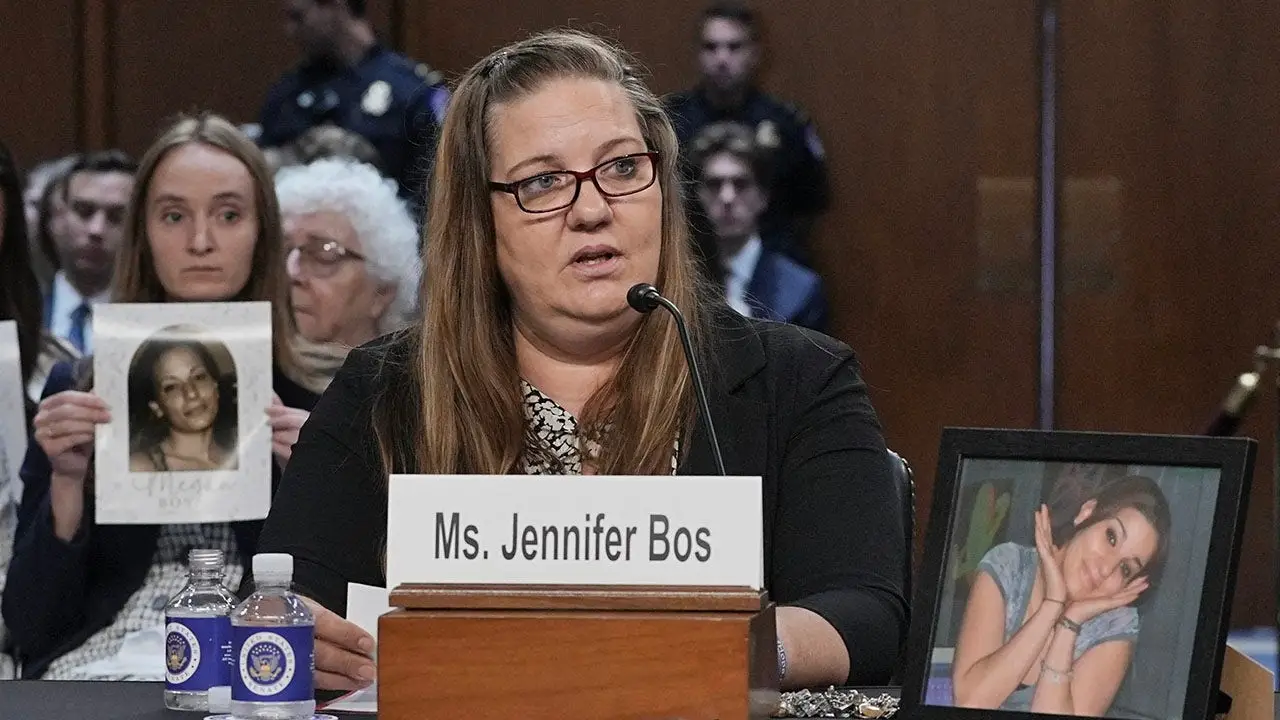
One notable instance involved Jennifer Nash, an "Angel Mom" whose daughter was murdered, making an emotional statement during a confirmation hearing. Reports indicate that "Angel Moms" have expressed frustration with lawmakers for seemingly ignoring their pleas for attention to victims' families and the issues they champion. Senator Durbin, as a senior member of the Senate, is often involved in these proceedings and discussions, making him a focal point of the interactions between these advocacy groups and the political establishment.
Why It Matters: The Intersection of Victim Advocacy and Policy
The trending of Senator Durbin highlights a critical intersection of victim advocacy, public emotion, and legislative action. The "Angel Moms" movement represents a powerful, albeit heart-wrenching, force in political discourse. Their direct testimonials aim to humanize the impact of crime and immigration policies, urging lawmakers to consider these personal tragedies in their decision-making.
"We are here to make sure that the voices of victims are heard, not silenced by political agendas." - A common sentiment expressed by "Angel Mom" advocates.
Senator Durbin, representing Illinois, is a key figure in the Democratic party and often involved in debates on crime, justice, and immigration. His interactions with the "Angel Moms" place him in a position where he must navigate the emotional weight of their stories while adhering to political and legislative processes. The trend underscores the growing influence of victim advocacy groups in shaping the narrative around contentious policy debates.
Background Context: "Angel Mom" Movement and Political Engagement
The "Angel Mom" movement has gained traction in recent years, particularly within conservative political circles, often focusing on the impact of illegal immigration on crime. These mothers share personal stories of loss, frequently attributing their tragedies to individuals who were undocumented immigrants or had criminal records. Their activism aims to influence public opinion and policy, advocating for stricter enforcement of immigration laws and harsher penalties for criminals.
Senator Durbin, on the other hand, has a long legislative history on issues of immigration, civil rights, and criminal justice. While he has expressed sympathy for victims of crime, his policy positions on immigration and criminal justice reform may differ significantly from the specific demands of some "Angel Mom" groups. This divergence can lead to friction and direct confrontations, as seen in recent public appearances and hearings.
The context of confirmation hearings, such as the one mentioned involving Todd Blanche, provides a platform for these advocacy groups to voice their concerns directly to policymakers responsible for approving judicial or other high-level appointments. These hearings are often intense, with emotional testimonies and pointed questions, making them fertile ground for news coverage and public engagement.
What to Expect Next: Continued Dialogue and Political Impact
It is likely that the "Angel Moms" will continue their advocacy, seeking opportunities to engage with lawmakers and raise awareness. Their direct approach, especially during high-profile events, ensures continued media attention.
For Senator Durbin and other lawmakers, the situation presents a challenge in balancing genuine empathy for victims with the complexities of policy-making. Future interactions may involve more structured dialogues, legislative proposals aimed at addressing victims' concerns, or continued public debate on the effectiveness and human cost of current laws. The "Angel Mom" movement's ability to capture public attention and influence political narratives suggests their impact on policy discussions is likely to persist.
The trend underscores the potent role of personal tragedy in political discourse and the ongoing efforts by advocacy groups to ensure that victims' voices are central to legislative debates. Senator Durbin's involvement positions him as a key figure in this evolving dialogue.
Related News
Democrat scrambles to meet Angel Mom after she blasts lawmakers to their faces for ignoring families’ pleas
Fox NewsMom of murdered woman gives emotional testimony at Todd Blanche's confirmation hearing
CBS NewsWATCH: Jennifer Bos makes emotional opening statement about daughter's death in Blanche confirmation hearing
PBSFrequently Asked Questions
Why is Dick Durbin trending?
Senator Dick Durbin is trending due to his recent interactions and involvement with "Angel Moms," a group of mothers advocating for victims of crime. Their emotional testimonies and pleas to lawmakers, particularly during confirmation hearings, have brought Durbin into the spotlight.
What happened involving "Angel Moms" and lawmakers?
Recent news reports detail "Angel Moms" confronting lawmakers, including Senator Durbin, at events like confirmation hearings. These mothers are sharing personal stories of loss and urging politicians to address their concerns regarding crime and immigration policies.
Who are the "Angel Moms"?
The "Angel Moms" are a group of mothers whose children have died due to crime. They are active advocates, often linking their tragedies to issues like immigration and demanding stricter laws and greater attention to victims' families.
What is the connection between Dick Durbin and the "Angel Moms"?
Senator Durbin, as a senior political figure, is involved in discussions and hearings where "Angel Moms" are present and vocal. Their advocacy often directly addresses politicians like Durbin, highlighting a clash or dialogue between victims' experiences and legislative action.