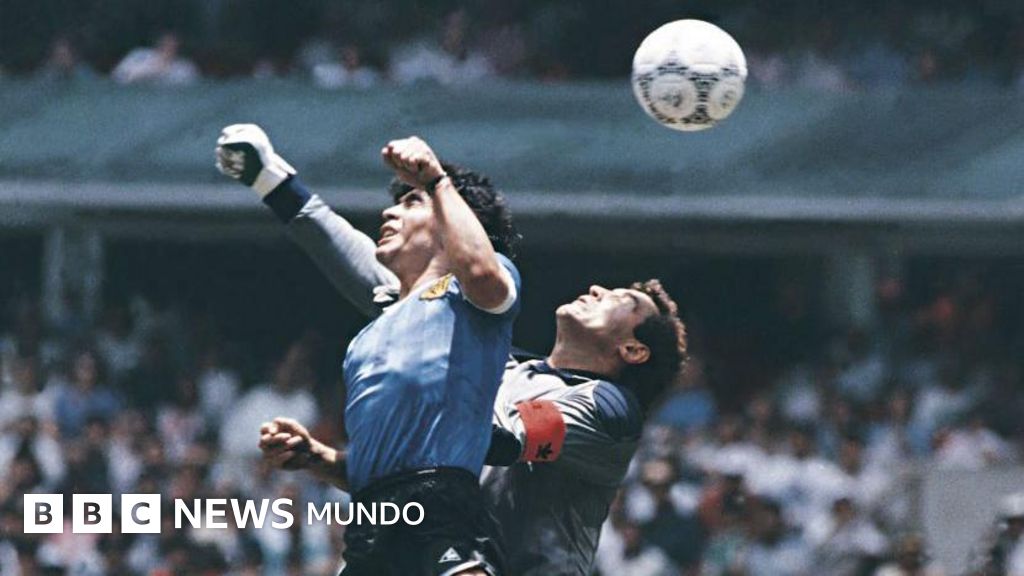
The Enduring Legend of Diego Maradona: Recalling the "Hand of God" and "Goal of the Century"
The name Diego Maradona resonates as powerfully as ever, fueled by the remembrance of his unparalleled genius on the football pitch. Recent commemorations are drawing attention back to one of the most significant and controversial matches in World Cup history: the 1986 quarter-final between Argentina and England. It was on this stage that Maradona, arguably the greatest footballer of all time, delivered two moments that would define his career and captivate the world for generations to come – the infamous "Hand of God" goal and the breathtaking "Goal of the Century."
The continued fascination with these events, amplified by recent articles and discussions, highlights Maradona's unique place in football history and global culture. His ability to inspire, to win against the odds, and to court controversy made him a figure larger than life, a legend whose every move on and off the field continues to be dissected and celebrated.
What Happened: A Match for the Ages
The 1986 FIFA World Cup quarter-final, held on June 22, 1986, at the Estadio Azteca in Mexico City, remains one of the most discussed matches in the tournament's history. The backdrop to this encounter was charged with political tension, as the Falklands War between Argentina and the United Kingdom had concluded only four years earlier. This context imbued the match with an emotional weight far beyond the sport itself.
It was in this highly charged atmosphere that Diego Maradona produced two moments of contrasting brilliance and controversy. The first, in the 51st minute, was the "Hand of God." After a powerful run, Maradona played a one-two pass and then jumped to head the ball, which looped over the English goalkeeper. It was evident to most observers, and later confirmed by Maradona himself, that he had used his hand to punch the ball into the net. Despite the protests from the English players, the goal was allowed to stand, much to the delight of the Argentine fans.
Just four minutes later, Maradona scored what is widely regarded as the "Goal of the Century." Receiving the ball in his own half, he embarked on an astonishing run, evading five English players, including the goalkeeper, before slotting the ball home. This solo effort was a masterclass in skill, agility, and sheer determination, a stark contrast to the controversial opening goal.
Why It Matters: Legacy and National Pride
The significance of these goals extends far beyond the immediate result of the match, which Argentina ultimately won 2-1. The "Hand of God" goal, while controversial, became a symbol of Argentine defiance and cunning, resonating deeply with a nation seeking solace and pride after the Falklands War. Maradona, as the captain and talisman, embodied this spirit.
Conversely, the "Goal of the Century" cemented Maradona's status as a footballing demigod. It showcased his extraordinary talent, his vision, and his ability to produce moments of unparalleled brilliance that transcended the sport. This goal was a pure exhibition of skill, a display of individual genius that left the world in awe.
The enduring relevance of these moments speaks to the profound impact Maradona had on football and on the collective consciousness of Argentina. He was not just a player; he was a national hero, a cultural icon whose performances provided immense joy and a sense of national identity during challenging times.
Background Context: The Maestro's Rise
Diego Armando Maradona was born in Lanús, Buenos Aires, in 1960. From a very young age, his extraordinary talent was evident. He made his professional debut for Argentinos Juniors at just 15 years old and quickly rose to prominence, captivating audiences with his dribbling, vision, and goal-scoring ability.
His club career saw him play for legendary teams such as Boca Juniors, Barcelona, and Napoli. It was in Naples that he achieved legendary status, leading the underdog club to two Serie A titles and a UEFA Cup, etching his name into the hearts of the Neapolitan people. His international career was equally illustrious, though punctuated by controversy, most notably the 1986 World Cup triumph and the 1994 World Cup incident where he was sent home after failing a drug test.
Maradona's life was as dramatic and complex as his on-field exploits. He battled addiction and faced numerous personal challenges, which often overshadowed his incredible talent. Despite these struggles, his legacy as one of the greatest footballers to have ever lived remains undisputed.
What to Expect Next: Continued Reverence and Debate
As anniversaries of his greatest achievements continue to be marked, the discussions surrounding Diego Maradona are likely to persist. His iconic goals from the 1986 World Cup will undoubtedly be replayed, analyzed, and debated for years to come. The "Hand of God" will continue to spark conversations about fairness and the spirit of the game, while the "Goal of the Century" will remain a benchmark for individual brilliance.
Furthermore, the ongoing retrospectives serve to introduce Maradona's legend to new generations of football fans. His story is a compelling blend of extraordinary talent, immense pressure, and human fallibility, making him a relatable yet aspirational figure. The enduring appeal of Diego Maradona lies not just in his skill, but in the passion, drama, and unforgettable moments he delivered to the world of football.
"He was a magician, a genius. He could win a game by himself. For Argentina, he was everything." - Football Analyst
The legacy of Diego Maradona is one that continues to inspire and intrigue. His performances in 1986 are more than just football matches; they are cultural touchstones that represent triumph, controversy, and the sheer power of individual sporting brilliance. As time passes, the legend only seems to grow, ensuring that the name Maradona will forever be synonymous with the beautiful game.