Millions Under Extreme Heat Alerts as Dangerous Heat Wave Grips Nation
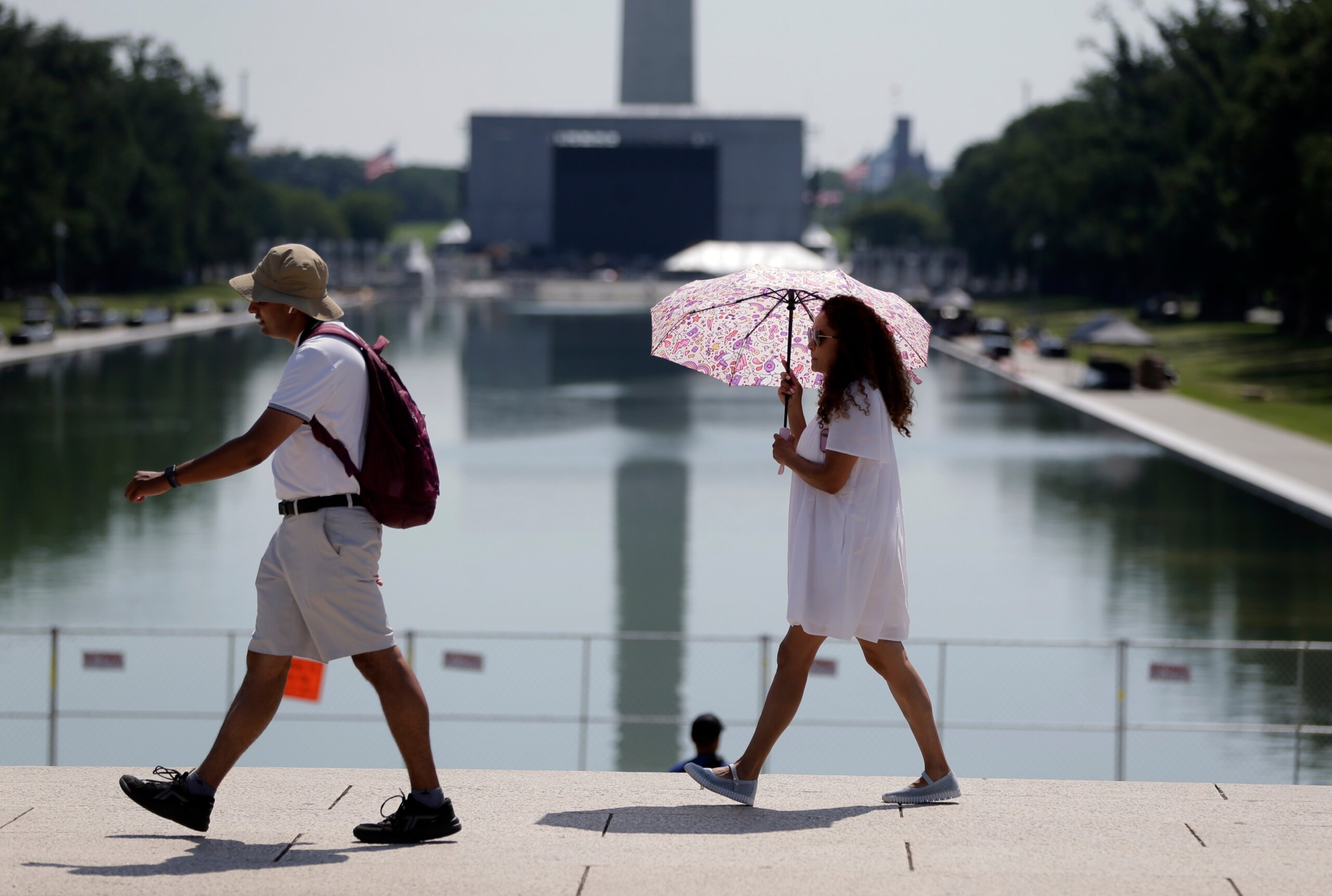
A significant and dangerous extreme heat wave is currently impacting a vast swathe of the United States, prompting widespread alerts and raising serious concerns for public health and safety. Reports indicate that over 200 million Americans are currently under some form of heat advisory or warning, underscoring the severity and breadth of this meteorological event. Cities and regions across the country are experiencing sweltering temperatures, with particular focus on the Mid-Atlantic area, including Washington D.C., where forecasters are predicting some of the hottest days in recorded history.
What is Happening?
The current trend is characterized by exceptionally high temperatures that are expected to persist for several days. In the Washington D.C. metropolitan area, officials and meteorologists are warning residents to prepare for potentially record-breaking heat. News outlets are extensively covering the forecast, detailing the anticipated mercury levels and the duration of the heatwave. This isn't isolated; alerts are widespread, indicating a large-scale atmospheric condition responsible for pushing temperatures to dangerous levels across multiple states.
Why This Extreme Heat Matters
The implications of such an extreme heat wave are far-reaching. High temperatures pose significant health risks, particularly for vulnerable populations such as the elderly, young children, and individuals with pre-existing health conditions. Heatstroke, heat exhaustion, and dehydration are serious concerns, leading to increased emergency room visits and, tragically, potential fatalities. Beyond health, the extreme heat places immense strain on infrastructure, including power grids, as demand for air conditioning soars. This can lead to blackouts and further exacerbate the dangers of the heat. Furthermore, outdoor work becomes hazardous, impacting industries like construction and agriculture, and daily life is disrupted as people are advised to stay indoors and limit strenuous activity.
Background Context: The Rise of Extreme Heat
While heat waves are a natural part of summer weather patterns, scientific consensus points to an increase in their frequency, intensity, and duration globally. Climate change is widely cited as a primary driver, with rising global average temperatures making extreme heat events more probable. This current event, while specific in its timing and location, aligns with broader trends observed in recent years, where many regions have experienced unprecedented heat. Understanding this context is crucial for appreciating that while today's headlines focus on the immediate crisis, the underlying causes suggest a need for long-term adaptation and mitigation strategies.
What to Expect Next
Forecasting for the immediate future indicates that the extreme heat is likely to continue in affected regions for the foreseeable future. Residents are urged to follow official guidance, which typically includes staying hydrated, seeking cool environments, avoiding peak heat hours for outdoor activities, and checking on neighbors and loved ones. Local authorities are often preparing for increased demand on cooling centers and emergency services. While the exact duration and peak intensity will vary by location, the overarching advice remains consistent: take extreme heat seriously and prioritize safety. Meteorologists will continue to monitor the situation closely, providing updates as the heat dome or high-pressure system influencing these temperatures evolves.
"The prolonged period of extreme heat presents a clear and present danger to public health, necessitating widespread public awareness and proactive safety measures."
The news coverage serves as a critical reminder for individuals and communities to prepare. Key recommendations include:
- Staying Hydrated: Drink plenty of water, even if you don't feel thirsty. Avoid sugary drinks and alcohol, which can accelerate dehydration.
- Seeking Cool Environments: Spend time in air-conditioned spaces, whether at home, in public cooling centers, or other indoor venues.
- Limiting Outdoor Activity: Schedule outdoor tasks for cooler parts of the day, like early morning or late evening.
- Protecting Vulnerable Populations: Check on infants, the elderly, and those with chronic illnesses who are most at risk.
- Recognizing Heat Illness: Be aware of the symptoms of heat exhaustion (heavy sweating, weakness, dizziness) and heatstroke (high body temperature, confusion, rapid pulse, lack of sweating), and know how to respond.
As this heat wave unfolds, staying informed through reliable news sources and heeding the advice of public health officials will be paramount to navigating the dangerous conditions safely.