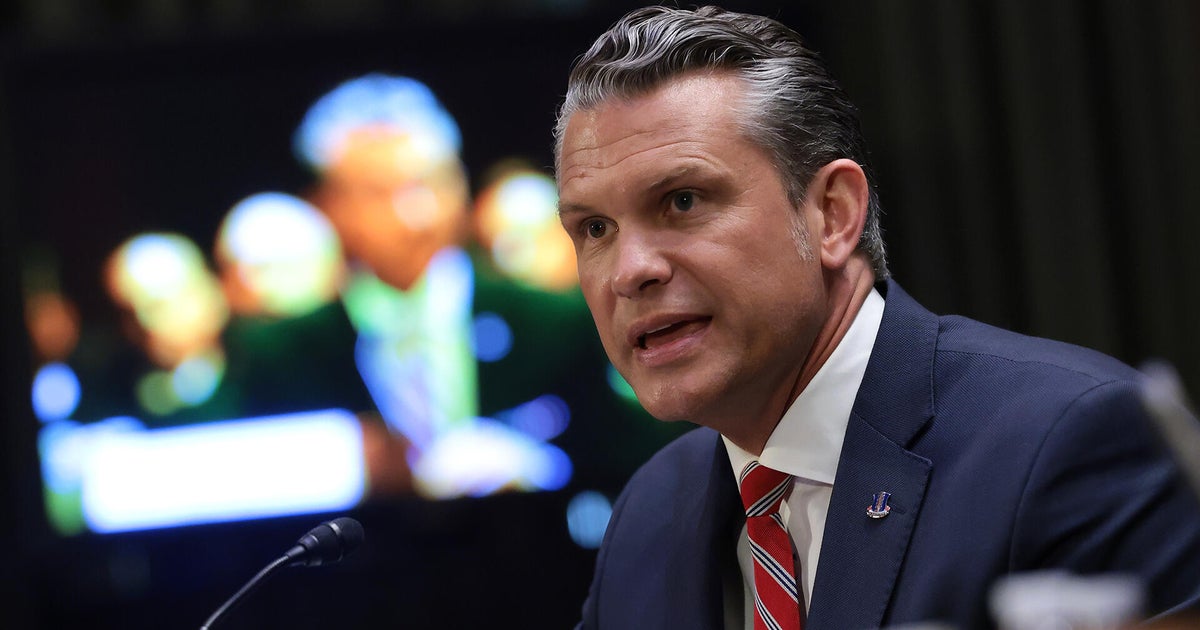
Hegseth
Politics10000+ searches
Quick Answer
Pete Hegseth is trending due to his recent announcement of a 20% cut to general and admiral positions within the Pentagon. This move has drawn criticism and concern from some political figures.
Why Is This Trending?
The trending status of Pete Hegseth is directly linked to a significant defense personnel decision he has announced: a 20% reduction in the number of generals and admirals. This directive, set to take effect by January 1st, aims to streamline the military's top ranks. The announcement has quickly become a focal point in national security discussions, prompting reactions from various political figures, including Senator Kirsten Gillibrand, who has publicly voiced 'grave concerns' regarding Hegseth's leadership in light of this decision. The substantial cut to senior military leadership positions underscores a potential shift in defense strategy or efficiency efforts.
Pentagon Announces Major Reduction in Top Military Ranks Under Hegseth's Direction
The defense world is abuzz with news that the Pentagon plans to implement a significant cut to its senior leadership, with a 20% reduction in general and admiral positions slated to occur by January 1st. This directive, spearheaded by acting Secretary of Defense Pete Hegseth, represents one of the most substantial restructuring efforts impacting the military's upper echelons in recent memory. The move has ignited debate and scrutiny, drawing both praise for potential efficiency gains and sharp criticism regarding its strategic implications and the leadership's approach.
What Happened?
The core of the trending topic revolves around an announcement made by the Department of Defense regarding a planned 20% reduction in the number of active generals and admirals. This directive is reportedly being driven by acting Secretary of Defense Pete Hegseth. The goal is to streamline the military's leadership structure, ostensibly to improve efficiency and reduce bureaucratic overhead. Federal News Network reported on the Pentagon's plans, detailing the scale of the proposed cuts.
Why It Matters
This decision carries significant weight for several reasons. Firstly, it directly impacts the career paths and roles of a substantial number of high-ranking military officers. Secondly, such a large-scale reduction in leadership could signal a broader strategic reevaluation within the Department of Defense, potentially affecting military readiness, command structures, and the allocation of resources. The political ramifications are also considerable, as evidenced by statements from prominent lawmakers. For instance, Senator Kirsten Gillibrand has publicly expressed 'grave concerns' about Secretary Hegseth's leadership in relation to this decision, highlighting a potential rift in trust and policy alignment between the legislative and executive branches on defense matters.
Background Context
Pete Hegseth, a controversial figure with a background in media and military commentary before entering government, has taken a prominent role in the Pentagon. His tenure, even in an acting capacity, has been marked by a willingness to implement decisive changes. The push for efficiency and reform within large governmental bodies like the Department of Defense is not new, but the specific method and scale of cutting general and admiral billets represent a bold approach. Historically, reducing leadership ranks can be a complex undertaking, often met with resistance due to established hierarchies, institutional inertia, and differing views on what constitutes optimal military command structure. The context of ongoing geopolitical challenges and evolving warfare necessitates a constant evaluation of how military forces are organized and led.
Analysis and Implications
The announcement has sparked varied reactions from defense analysts and policymakers. Proponents argue that reducing the number of high-ranking officers could lead to a more agile and cost-effective military, eliminating redundancies and freeing up resources for frontline capabilities. They might point to other large organizations that have successfully streamlined their management structures to improve performance.
Conversely, critics, like Senator Gillibrand, raise concerns about the potential impact on military effectiveness and morale. They might argue that these positions are crucial for commanding vast operations, developing strategy, and mentoring junior officers. A significant reduction could lead to:
- Increased spans of control for remaining senior officers, potentially overwhelming them.
- A negative impact on the career progression of talented mid-level officers.
- A perception of political interference in military operations rather than a merit-based system.
- Questions about whether the cuts are strategically sound or merely symbolic cost-saving measures.
The timing of the announcement, with a deadline of January 1st, suggests a degree of urgency. However, the details surrounding the criteria for these cuts—which specific roles will be eliminated and how the remaining officers will absorb the workload—remain crucial points of discussion and potential contention.
“The military is a large organization, and like any large organization, it can benefit from efficiency. However, the nature of these leadership roles means that changes must be carefully considered to avoid unintended consequences.”
What to Expect Next
The coming weeks and months will likely see further debate and potentially legislative action in response to this announcement. Congress will closely examine the rationale behind the cuts and their potential impact. We can expect:
- More detailed justifications from the Pentagon regarding the strategic necessity of the cuts.
- Intensified scrutiny from lawmakers, particularly those on defense committees.
- Potential challenges or adjustments to the implementation timeline if significant opposition solidifies.
- Ongoing public and media analysis of Hegseth's leadership and the future direction of the Department of Defense.
The effectiveness and wisdom of this substantial reduction in general and admiral positions will be a critical story to watch as the January 1st deadline approaches, shaping discussions about military reform and leadership for the foreseeable future.
Related News
Frequently Asked Questions
Why is Pete Hegseth trending?
Pete Hegseth is trending because he has announced a significant plan to cut 20% of general and admiral positions within the Pentagon. This move has generated considerable discussion and some criticism.
What did the Pentagon announce?
The Pentagon announced plans to reduce the number of generals and admirals by 20% by January 1st. This directive is being implemented under the guidance of acting Secretary of Defense Pete Hegseth.
Who has expressed concerns about Hegseth's decision?
Senator Kirsten Gillibrand has publicly stated that she has 'grave concerns' about Defense Secretary Hegseth's leadership, specifically in relation to the announced cuts to senior military ranks.
What is the stated goal of the Pentagon's cuts?
The stated goal of the 20% reduction in general and admiral positions is to improve efficiency within the Department of Defense and streamline its leadership structure.