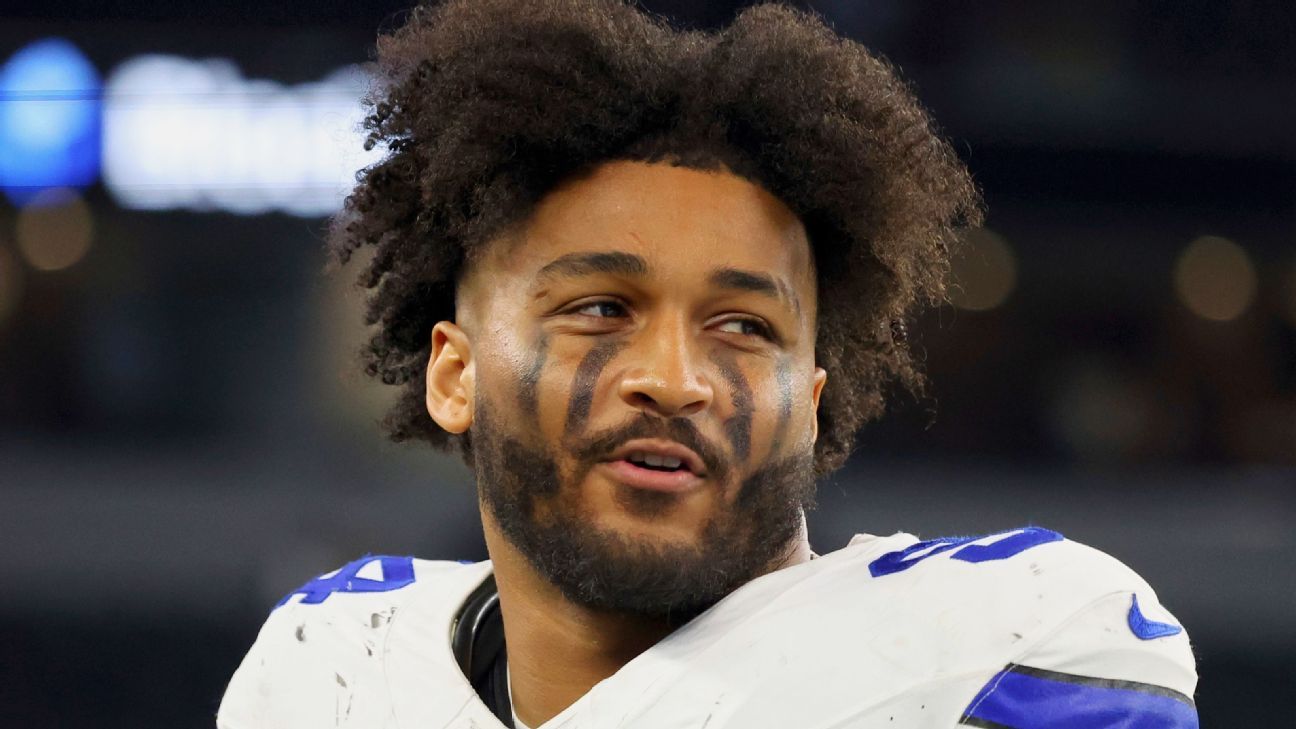
Marshawn Kneeland: A Life Cut Short, A Legacy of Awareness
The name Marshawn Kneeland has recently become a trending topic, not for his athletic achievements on the field, but for the heartbreaking circumstances surrounding his untimely death. The former Dallas Cowboys defensive end passed away at the young age of 24. Posthumous investigations and findings by his foundation have revealed a deeply tragic diagnosis: stage 1 Chronic Traumatic Encephalopathy (CTE). This revelation, alongside the confirmation that his cause of death was suicide, has brought widespread attention to the devastating impact of football-related brain injuries.
What Happened?
Marshawn Kneeland, who played college football at Western Michigan and was signed by the Dallas Cowboys in 2022, tragically died earlier this year. While initial reports were sparse, his foundation and subsequent media coverage have shed a more complete, albeit painful, light on the situation. It has been confirmed that Kneeland was diagnosed with stage 1 CTE. CTE is a progressive degenerative brain disease associated with repeated head trauma, and its early stages can manifest subtly.
The confirmation of stage 1 CTE in such a young athlete, coupled with the finding that his death was by suicide, has intensified the conversation around the mental and neurological health of football players. The foundation established in his name aims to honor his memory by advocating for greater awareness and support for athletes facing similar struggles and the long-term effects of concussions and sub-concussive hits experienced throughout their careers.
Why This Matters: The Shadow of CTE in Football
The story of Marshawn Kneeland is a stark reminder of the serious and often hidden risks inherent in professional football. CTE has become a growing concern in the sport, with numerous studies and posthumous diagnoses of former players revealing its prevalence. The disease is thought to be caused by repeated blows to the head, common in a sport like football, which can lead to a range of neurological and psychiatric problems, including memory loss, mood changes, depression, and impaired judgment.
Kneeland's diagnosis at stage 1 indicates that the damage may have begun early in his football journey. This is particularly concerning as it suggests that even players who may not have had a long career or a history of diagnosed concussions can still be at risk. The connection between CTE and suicide is a deeply troubling aspect that researchers are increasingly investigating. The emotional and psychological toll of neurological damage can be immense, leading to severe depression and, tragically, suicidal ideation.
The public attention drawn by Kneeland's case highlights the urgent need for:
- Increased Research: Further understanding of CTE, its progression, and potential early detection methods.
- Enhanced Player Safety Protocols: Continued development and enforcement of rules to minimize head impacts.
- Mental Health Support: Robust mental health resources and support systems for athletes, both during and after their careers.
- Education and Awareness: Educating players, coaches, and families about the risks and symptoms of head trauma.
The Dallas Cowboys organization has also been impacted, with many expressing their condolences and support for Kneeland's family and the cause he now inadvertently represents.
Background Context: A Promising Career and Early Signs
Marshawn Kneeland played defensive end, a position that involves significant physical contact and a high likelihood of head impacts. He played college football at Western Michigan University, where he garnered attention for his skill and potential. He was signed by the Dallas Cowboys as an undrafted free agent, demonstrating the professional aspirations he held.
While details about specific head injuries sustained during his playing career are not widely publicized, the diagnosis of stage 1 CTE suggests that cumulative head trauma occurred. The challenges faced by athletes diagnosed with CTE often include difficulties in communication, emotional regulation, and the psychological burden of a progressive neurological condition. The connection to suicide, while complex, is increasingly recognized as a tragic outcome for individuals suffering from severe neurological and mental health challenges.
The foundation established in his name is now poised to become a significant voice in the advocacy space for athletes' brain health. It aims to prevent other families from experiencing similar pain by promoting awareness and providing resources.
What to Expect Next
Marshawn Kneeland's story is likely to continue to resonate within the sports world and beyond. His foundation's work will be crucial in driving forward the conversation and pushing for tangible changes in player safety and mental health support within football organizations and the broader athletic community.
We can expect increased media focus on the long-term health consequences for athletes, particularly those in high-impact sports. This may lead to renewed calls for stricter regulations, improved medical monitoring, and greater transparency from leagues regarding player health. The advocacy efforts stemming from Kneeland's legacy could influence policy changes and increase funding for research into CTE and other sports-related brain injuries.
Furthermore, the tragic reality of his passing may encourage more athletes to prioritize their health and seek help for mental health concerns, knowing that support systems are evolving. The goal is to ensure that future generations of athletes can pursue their passion with greater assurance of long-term well-being.
The fight against the devastating effects of CTE is a marathon, not a sprint. Marshawn Kneeland's story is a critical turning point, urging us all to listen, learn, and act to protect our athletes' futures.