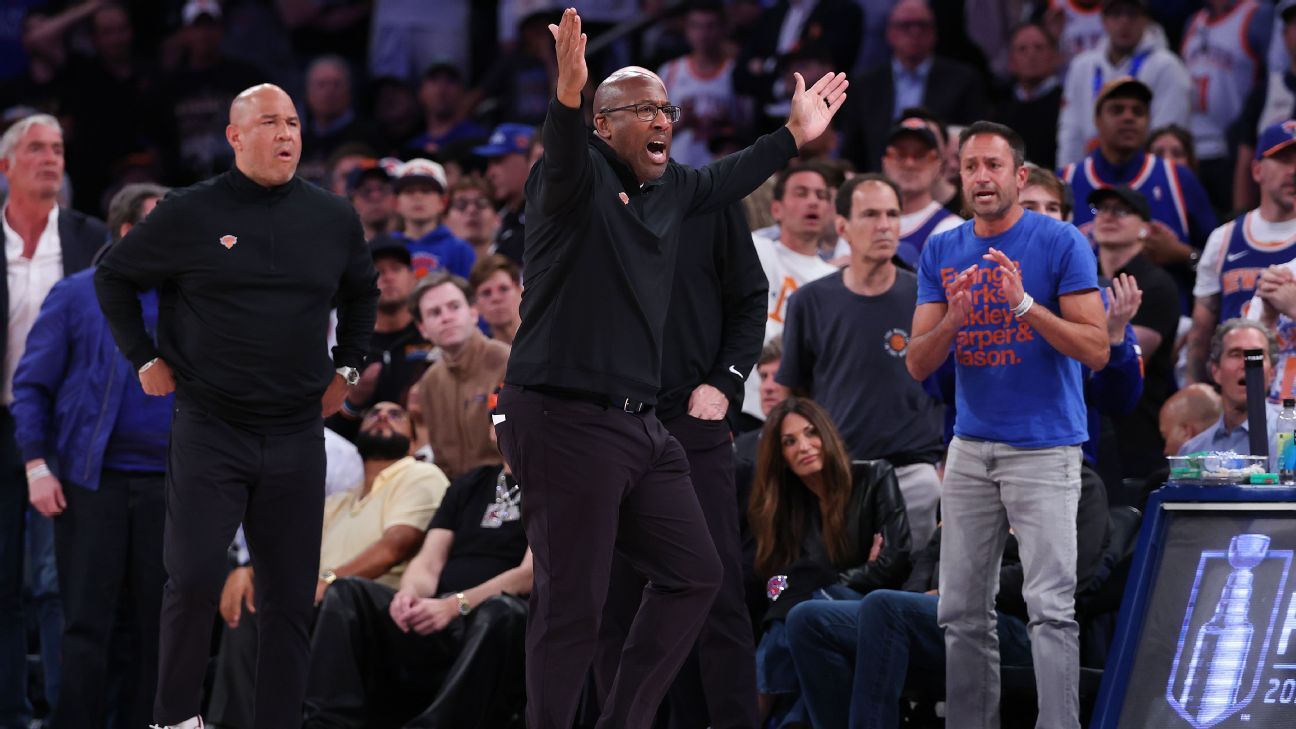
Mike Brown Sparks Controversy with Officiating Criticism After Knicks' Game 3 Loss
The NBA playoffs are often a crucible of intense competition, where every decision, play, and call can be dissected under a microscope. In the aftermath of the New York Knicks' Game 3 defeat, Head Coach Mike Brown found himself at the center of a trending storm, igniting a debate about officiating and its impact on the game. His post-game press conference, where he directly addressed a perceived free throw disparity, has resonated widely, drawing both support and staunch opposition.
What Happened: A Scrutiny of the Whistle
Following a hard-fought Game 3 loss, which saw the Knicks struggling to find their offensive rhythm against a determined Spurs defense, Mike Brown did not mince words. He specifically pointed to the free throw count, lamenting what he described as a significant imbalance. Brown suggested that the lack of free throw opportunities for his team, contrasted with those awarded to the opposition, played a pivotal role in the final score. This criticism wasn't just a casual remark; it was a direct challenge to the officiating crew and the integrity of the game's flow as dictated by the referees' calls.
The numbers, as presented by Brown, painted a picture of a game where one team was seemingly afforded more chances to score from the charity stripe. This kind of statement from a head coach in a critical playoff series is rare and inevitably draws attention. It shifts the narrative from the team's performance to external factors, a tactic that can either galvanize a team or be seen as an excuse.
Why It Matters: The Optics of Blame and Execution
Mike Brown's comments carry significant weight, not just because he is the head coach of a prominent NBA franchise, but also because of the timing. In the high-pressure environment of the playoffs, coaches often employ various strategies to motivate their players and manage public perception. Criticizing officiating can serve multiple purposes: it can rally players by suggesting they are facing an uphill battle against external forces, it can placate fan frustration by offering an explanation for defeat, and it can potentially influence future officiating calls.
"We didn't execute." - Karl-Anthony Towns on the Knicks' Game 3 loss.
However, this approach is a double-edged sword. It risks undermining the team's own accountability. As evidenced by the response from star player Karl-Anthony Towns, not all members of the Knicks organization are aligned with Brown's perspective. Towns's direct refutation, emphasizing the team's failure to execute their game plan, highlights a crucial internal dynamic. It suggests a divergence on what the primary reasons for the loss were, a point of contention that is as important as the officiating debate itself.
Furthermore, the broader NBA landscape is one where officiating is constantly under scrutiny. Coaches and players alike express frustration, but public criticisms like Brown's bring these discussions into the mainstream, prompting conversations about consistency, bias, and the impact of calls on game outcomes. It also forces fans to consider whether teams are focusing on the right areas for improvement.
Background Context: A History of Officiating Debates
The NBA has a long and storied history of officiating controversies, particularly during playoff runs. From the controversial calls in the 2002 Western Conference Finals to debates surrounding hand-checking rules and foul calls, referees' decisions have frequently shaped championship narratives. Coaches have historically been cautious about directly criticizing officials too vehemently, aware of potential fines and the impact on future interactions with the officiating crew.
Mike Brown, as a seasoned coach, understands these dynamics. His decision to speak out so pointedly suggests a level of frustration that he felt needed to be aired publicly. It might also be a strategic move to prepare his team for future games, hoping to ensure a more balanced whistle. The context of the Spurs' offensive strategy, as noted in broader game analyses, also plays a role; their ability to draw fouls and exploit defensive weaknesses is a key factor that could lead to perceived disparities.
What to Expect Next: Reactions and Adjustments
The fallout from Mike Brown's remarks is likely to be multifaceted. We can expect continued discussion among sports analysts and fans about the validity of his claims and the role of officiating in the Knicks' series. Karl-Anthony Towns's response sets a precedent for how the team will address these questions moving forward, likely emphasizing their own performance over external factors.
From an officiating standpoint, it will be interesting to observe whether there is any noticeable shift in calls during subsequent games. The league office may issue a statement or a fine, depending on the severity and nature of Brown's comments and any league protocols. For the Knicks, the immediate challenge remains: how to overcome the Spurs' strategy and execution, regardless of the free throw count. The team will need to find ways to adapt their offensive and defensive schemes to regain the series advantage.
Ultimately, Mike Brown's trending status highlights a recurring theme in professional basketball: the delicate balance between coaching strategy, player performance, and the often-controversial element of officiating. As the series progresses, the focus will inevitably return to the hardwood, but the echoes of Brown's words will likely linger.