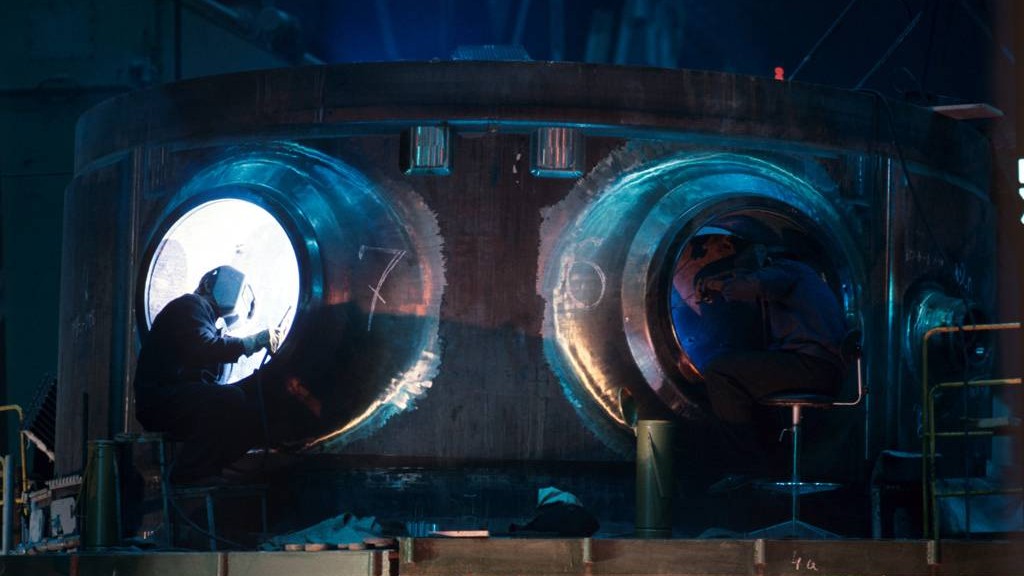
The Resurgence of Nuclear Reactor Technology: Small, Modular, and Strategic
The term "nuclear reactor" is currently buzzing in technology and security circles, not just for traditional large-scale power generation, but for a new wave of smaller, more versatile designs. Small Modular Reactors (SMRs) and even smaller military microreactors are capturing attention, signaling a potential shift in how we think about and deploy nuclear energy. This trend is driven by a confluence of factors, including national security imperatives, the pursuit of energy independence, and the promise of cleaner, more resilient power solutions.
What's Driving the Trend?
The recent surge in interest surrounding nuclear reactors is largely attributable to the advancements and strategic positioning of Small Modular Reactors (SMRs) and military microreactors. These are not the colossal power plants of the past. Instead, they represent a new generation of nuclear technology designed to be smaller, factory-built, and more easily deployable than traditional large-scale reactors.
- National Security Priority: The development and potential deployment of SMRs and microreactors are increasingly viewed through the lens of national security. Their ability to provide reliable, on-demand power for military installations, even in remote or contested environments, makes them highly attractive. This offers strategic advantages by reducing reliance on vulnerable fossil fuel supply chains and ensuring continuous operation of critical defense infrastructure.
- Energy Revolution Potential: Beyond military applications, these advanced reactor designs are poised to revolutionize the energy landscape. Their smaller footprint and modular nature suggest quicker construction times and potentially lower upfront capital costs compared to traditional nuclear power plants. This makes nuclear energy more accessible and adaptable for a wider range of applications, including powering industrial complexes, remote communities, and even supporting decarbonization efforts.
- Regional Energy Advantage: As highlighted in recent discussions, SMRs are being considered as a significant energy advantage for various regions. Countries and localities are exploring how these reactors can bolster energy security, provide a stable baseload power source to complement intermittent renewables, and potentially drive economic development through a reliable and clean energy supply.
Background Context: Evolution of Nuclear Technology
Nuclear reactors have a long history, dating back to the mid-20th century. The initial focus was primarily on large-scale power generation to meet growing electricity demands. However, challenges related to cost, construction timelines, waste management, and public perception have often hampered widespread deployment.
The concept of SMRs has been explored for decades, but recent technological advancements, coupled with evolving energy needs and geopolitical considerations, have brought them to the forefront. These newer designs often incorporate enhanced safety features, utilize different fuel types, and are designed with greater flexibility in mind. Microreactors, the smallest category, are even more specialized, often designed for transportability and immediate deployment in austere conditions.
Why It Matters: Implications for Energy and Security
The growing emphasis on SMRs and microreactors signifies a strategic pivot in energy policy and national defense.
For national security, the ability to power forward operating bases or critical command centers with a resilient, compact nuclear source is a game-changer, reducing logistical burdens and enhancing operational autonomy.
From an energy perspective, SMRs offer a pathway to decarbonization that is less dependent on the geographical constraints of traditional nuclear power. They could potentially be deployed in locations where large plants are not feasible, providing localized clean energy and grid stability. This diversified approach to nuclear technology is crucial as the world grapples with climate change and the need for secure, reliable energy sources.
What to Expect Next
The trajectory for SMRs and microreactors points towards increased research, development, and pilot projects. Regulatory frameworks are being adapted to accommodate these novel designs, which is a critical step for commercialization and wider deployment.
- Continued R&D: Expect ongoing innovation in reactor design, safety systems, and fuel cycles to further enhance the efficiency and appeal of these technologies.
- Regulatory Approvals: Governments worldwide will continue to streamline the licensing and regulatory processes for SMRs and microreactors, paving the way for potential construction and operation.
- Strategic Deployments: Military applications are likely to be among the first to see practical deployment, serving as critical test cases and demonstrations of capability.
- Commercialization Efforts: Beyond defense, efforts to commercialize SMRs for industrial and community power will intensify, with potential for initial projects in the next decade.
The renewed focus on nuclear reactor technology, particularly through the lens of SMRs and microreactors, highlights a strategic evolution. These advancements promise to reshape energy security, bolster national defense capabilities, and contribute to global decarbonization efforts, marking a significant chapter in the ongoing story of nuclear innovation.