The Evolving Landscape of College Sports Governance: Inside the Protect College Sports Act
The world of college sports is in constant flux, grappling with issues ranging from athlete compensation and name, image, and likeness (NIL) rights to the governance and financial structures of major athletic associations. Amidst this evolving environment, a bipartisan legislative effort, the Protect College Sports Act, has emerged as a significant trending topic. This act aims to bring much-needed transparency and accountability to the multifaceted world of collegiate athletics, sparking debate and negotiation among lawmakers, athletic conferences, and other stakeholders.
What Happened?
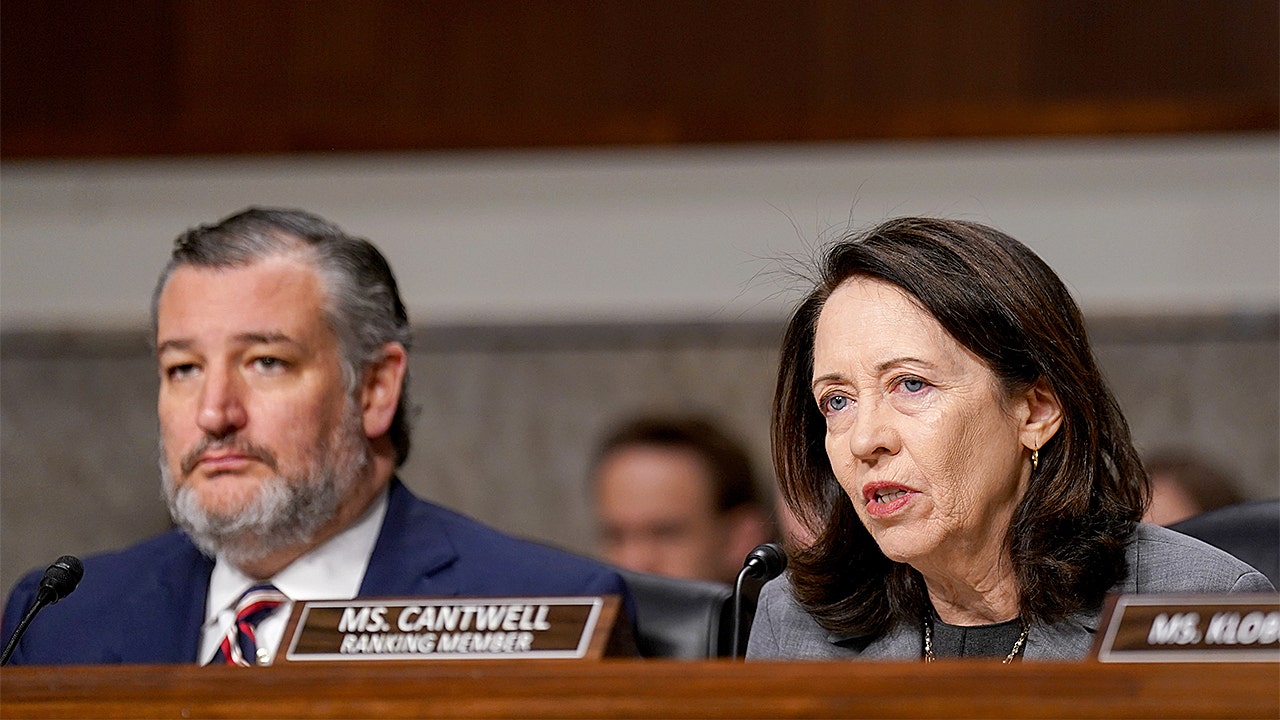
The Protect College Sports Act, a legislative proposal gaining traction in Washington, is designed to address a range of issues plaguing college sports. Recently, key senators like Ted Cruz and Maria Cantwell have been actively involved in revising the bill, indicating a dynamic legislative process. Reports suggest these revisions are a response to concerns raised by major college athletic conferences, including the powerful Southeastern Conference (SEC) and Big Ten. While the exact details of the proposed changes are still being ironed out, the core objective remains to introduce greater oversight and structure to college athletics. The inclusion of student voices has also become a point of discussion, with some arguing that the bill, as currently proposed, may not adequately represent the interests of the athletes themselves.
Why Does This Matter?
The Protect College Sports Act matters because college sports, particularly at the Division I level, represent a multi-billion dollar industry with profound implications for universities, athletes, and fans. Historically, the governance of college sports has been largely self-regulated by organizations like the NCAA, leading to criticisms about a lack of transparency and fairness. This act represents a significant push for external oversight, seeking to ensure that athletic departments and conferences operate with greater accountability, particularly concerning financial dealings and athlete welfare.
“The goal is to create a more equitable and sustainable future for college athletics, one that truly prioritizes the well-being and success of student-athletes.”
The involvement of senators like Cruz and Cantwell underscores the bipartisan recognition that the current system is facing significant challenges. Issues such as the disparity in revenue distribution, the increasing commercialization of college sports, and the need for clearer rules around NIL deals are all part of the broader conversation this act is intended to address. Furthermore, the debate surrounding the bill highlights the tension between the traditional university-based model of college sports and the growing demands for athlete rights and professional-level management.
Background Context: A Shifting Landscape
The push for legislation like the Protect College Sports Act did not emerge in a vacuum. It is the culmination of years of mounting pressure stemming from various scandals, legal challenges, and the seismic shifts brought about by Name, Image, and Likeness (NIL) policies. The traditional amateur model of college sports has been increasingly challenged as athletes have gained the ability to profit from their name and image, blurring the lines between amateur and professional sports.
Key developments that have shaped the current discourse include:
- NIL Revolution: The widespread adoption of NIL rules has fundamentally altered the financial landscape for college athletes, prompting questions about equity and oversight.
- Conference Realignment: Major conferences have undergone significant expansion and restructuring, driven by lucrative media rights deals, raising concerns about competitive balance and the financial pressures on athletic departments.
- Antitrust Litigation: Ongoing legal battles, such as the Alston case, have scrutinized the NCAA's long-standing restrictions on athlete compensation, pushing for greater athlete economic freedom.
- Calls for Governance Reform: Decades of debate over the NCAA's effectiveness as a governing body have led to calls for a more modern and responsive structure.
The Protect College Sports Act seeks to navigate these complex issues by proposing a framework that could include elements such as:
- Establishing clearer reporting requirements for athletic department finances.
- Creating mechanisms for athlete input and representation in decision-making processes.
- Defining standards for athlete health and safety protocols.
- Potentially creating a federal office or commission to oversee college sports to some extent.
The resistance from some major conferences stems from a desire to maintain their autonomy and existing revenue streams, fearing that federal intervention could disrupt their established models and impose burdensome regulations.
What to Expect Next
The future of the Protect College Sports Act remains uncertain, as legislative processes are often lengthy and subject to compromise. The engagement from senators like Cruz and Cantwell, alongside the ongoing dialogue with athletic conferences and athlete advocacy groups, suggests that further revisions and negotiations are likely. The success of the act will depend on its ability to strike a balance between fostering transparency and accountability and respecting the autonomy of athletic programs.
Key factors to watch include:
- Bipartisan Consensus: Can a strong bipartisan agreement be reached to ensure the bill's passage?
- Stakeholder Buy-in: Will major conferences, the NCAA, and athlete representatives find common ground?
- Scope of Federal Role: How much direct oversight will federal entities have over college sports?
- Inclusion of Athlete Voices: Will future iterations of the bill genuinely incorporate athlete perspectives and protections?
As the conversation continues, the Protect College Sports Act serves as a critical focal point for the ongoing effort to shape the future of college athletics, ensuring it remains a fair, sustainable, and athlete-centered enterprise.