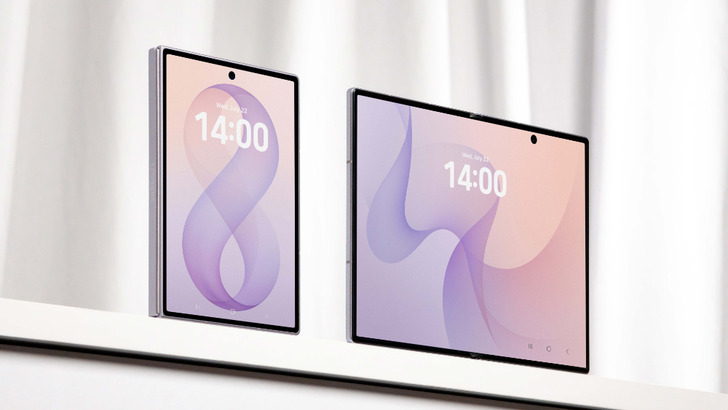
Samsung's Foldable Dominance Faces Potential Apple Challenge Amidst Record Growth
The foldable smartphone market, long dominated by Samsung's innovative designs, is experiencing a surge in both adoption and competition. Recent reports indicate record-breaking sales for Samsung's latest Galaxy Z Fold8 and Fold8 Ultra, signaling a significant increase in consumer interest and a 50% rise in adoption rates across Europe. This impressive performance is occurring even as Samsung actively pursues strategies to lure iPhone users to its foldable devices, a move that gains considerable weight amidst the persistent speculation surrounding Apple's potential entry into the foldable arena.
What Happened? Record Sales and Strategic Moves
Samsung has announced unprecedented success for its new Galaxy Z Fold8 series. Global sales have reportedly seen a remarkable 50% increase, a figure that underscores the growing mainstream appeal of foldable smartphones. This growth is not confined to a single region; it's driving foldable adoption across Europe, a key market for high-end technology. Counterpoint Research further supports this narrative, noting that the Galaxy Z8 series, powered by strong demand for the Fold8 models, launched with an 8% price increase over the previous generation, suggesting robust consumer confidence and willingness to invest in Samsung's foldable technology.
Simultaneously, Samsung is intensifying its efforts to attract users from its primary competitor, Apple. The company is reportedly strategizing to make its foldable devices, particularly the Z Fold series, a more compelling option for current iPhone owners. This proactive approach aims to capture a segment of the market that has traditionally remained loyal to Apple's ecosystem, leveraging Samsung's established foldable expertise.
Why Does This Matter? A Shifting Smartphone Landscape
The current trend signifies a pivotal moment for the smartphone industry. Samsung's record sales demonstrate that foldable technology is maturing beyond a niche market and is becoming a significant segment of the premium smartphone category. The substantial increase in sales suggests that consumers are increasingly embracing the form factor, appreciating the unique blend of portability and expansive screen real estate that foldables offer.
Furthermore, Samsung's aggressive pursuit of iPhone users highlights a strategic imperative to solidify its market leadership. By targeting Apple's vast user base, Samsung aims to disrupt established loyalties and expand its share in the high-end market. This also foreshadows the potential competitive landscape. With Apple, a titan in the smartphone world, widely expected to eventually release its own foldable device, Samsung's current momentum and market positioning become crucial. The success of the Galaxy Z Fold8 series could set a benchmark and influence consumer expectations for any future foldable offerings from competitors.
"The strong demand for the Galaxy Z Fold8 series not only validates Samsung's vision for foldables but also suggests a growing consumer appetite for devices that offer unique user experiences and advanced technology," stated a market analyst.
Background Context: The Evolution of Foldables
Foldable smartphones emerged as a futuristic concept several years ago, with early iterations facing challenges related to durability, price, and user experience. Samsung has been at the forefront of this evolution, consistently refining its foldable technology through multiple generations of its Galaxy Z Fold and Z Flip lines. The company has invested heavily in hinge mechanisms, display technology, and software optimization to address early criticisms and enhance the practicality of folding devices.
Samsung's persistent innovation has gradually shifted consumer perception. What was once seen as a novelty is now increasingly viewed as a viable and desirable alternative to traditional slab smartphones. The company's strategic decision to offer different foldable form factors – the book-style Fold and the compact Flip – has also helped cater to a wider range of user preferences and needs. This consistent product development and marketing effort has built a strong ecosystem and brand loyalty within the foldable segment.
Meanwhile, Apple has historically adopted a more measured approach to new hardware categories, often waiting until technologies mature and markets are well-established before entering. While there have been no official announcements, patents and industry rumors have long suggested that Apple is exploring foldable display technology, potentially for iPhones or iPads. The current trajectory of the foldable market, with Samsung’s robust performance, may be a catalyst for Apple to accelerate its plans.
What to Expect Next: Intensified Competition and Innovation
The immediate future of the foldable market points towards intensified competition. Samsung's success with the Galaxy Z Fold8 series provides a strong foundation for its continued leadership. The company is likely to further refine its technology, focusing on enhancing durability, improving battery life, and developing more exclusive foldable experiences.
Samsung's efforts to attract iPhone users will likely involve targeted marketing campaigns and potentially showcasing unique software features or hardware advantages that its foldables offer over traditional smartphones. This could include multi-tasking capabilities, stylus integration, or the distinct form factor itself.
On the other side, the looming possibility of Apple's entry cannot be ignored. If and when Apple launches a foldable device, it could significantly reshape the market dynamics, drawing on its immense brand loyalty and ecosystem. The timing and execution of Apple's debut will be critical. It might force other manufacturers, including Samsung, to innovate even more rapidly to maintain their competitive edge. We can anticipate a potential price war, a race for superior display technology, and a battle for unique software features tailored for foldable screens.
Ultimately, the growing success of Samsung's foldables and the anticipated entry of Apple suggest a future where the foldable form factor plays a much larger role in the smartphone landscape, offering consumers more diverse and advanced choices than ever before.