Snoqualmie Pass
General200+ searches
Quick Answer
Snoqualmie Pass is trending due to multiple lane-blocking crashes on I-90, causing significant closures and travel disruptions. A spring storm is also bringing heavy snow, further complicating conditions.
Why Is This Trending?
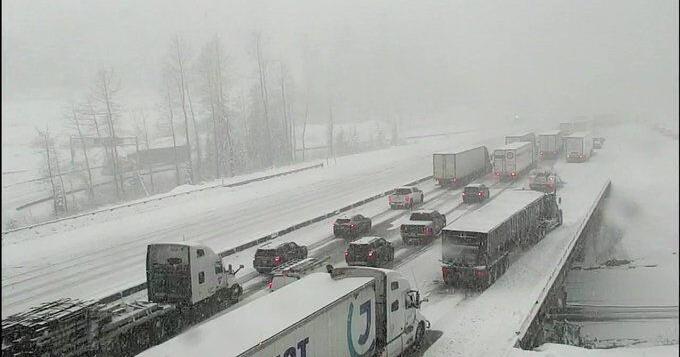
Snoqualmie Pass is currently a major point of discussion and concern following a series of severe weather-related incidents. Multiple crashes have completely blocked both directions of Interstate 90, bringing traffic to a standstill and forcing significant detours. This unexpected disruption is compounded by a forecast of up to 18 inches of snow in the Cascades, indicating that challenging conditions are likely to persist.
The closures are impacting thousands of travelers, commuters, and freight. The timing of these incidents, occurring amidst a spring storm, highlights the unpredictable nature of mountain weather and its profound effect on vital transportation corridors like I-90, a key route connecting Eastern and Western Washington.
Snoqualmie Pass Disrupted by Multiple Crashes and Spring Snowfall
Snoqualmie Pass, a critical mountain pass serving as a vital artery for Interstate 90, is currently experiencing significant disruptions. Recent reports indicate that multiple vehicle crashes have led to the complete closure of I-90 in both directions over the pass. This has resulted in widespread traffic delays, detours, and considerable inconvenience for travelers and freight. The situation is exacerbated by a forecast predicting substantial snowfall, with up to 18 inches of new snow expected in the Cascades. This combination of severe weather and accidents underscores the inherent risks and unpredictability of mountain travel, particularly during transitional seasons like spring when weather patterns can shift rapidly.
What Happened: Lane-Blocking Incidents and Winter Conditions
The primary driver behind Snoqualmie Pass trending is the occurrence of multiple, serious accidents on I-90. News outlets have reported that these crashes have completely blocked both eastbound and westbound lanes. While the exact details and number of vehicles involved may vary, the outcome has been a full closure of the pass, effectively halting all traffic. Compounding the issue, a potent spring storm is making its way through the region, bringing with it significant snowfall. Forecasts call for as much as 18 inches of snow accumulating in the higher elevations of the Cascades, including Snoqualmie Pass. This means that even as authorities work to clear accident scenes, hazardous driving conditions due to heavy snow, ice, and low visibility are expected to continue or worsen.
Why This Matters: A Vital Transportation Corridor
Snoqualmie Pass is not just a scenic route; it's a linchpin for commerce and transportation in Washington State. Interstate 90 is a major transcontinental highway, and the Snoqualmie Pass section is the primary route connecting the Seattle metropolitan area with Eastern Washington. Its closure has immediate and far-reaching consequences:
- Economic Impact: Freight transport is significantly impacted, potentially leading to supply chain delays for goods moving between the west and east sides of the state.
- Commuter Disruption: Thousands of commuters who rely on I-90 daily face lengthy detours, increased travel times, and potential missed work or appointments.
- Traveler Inconvenience: Those attempting to travel across the state, whether for leisure or necessity, are stranded or forced onto significantly longer alternative routes.
- Safety Concerns: The combination of accidents and severe weather raises concerns about the safety of all individuals attempting to navigate the pass.
"The safety of our travelers is paramount. We urge everyone to avoid unnecessary travel through the mountain pass during this active weather event and to check WSDOT’s real-time traffic information before departing." - (Hypothetical WSDOT official quote)
Background Context: Spring Snow in the Cascades
While the Pacific Northwest is known for its wet winters, spring snowfall at higher elevations like Snoqualmie Pass is not uncommon. April and even May can still bring significant winter weather events. These late-season storms can be particularly hazardous because drivers may have already switched to less robust tires, or road crews may be transitioning their equipment and strategies. Furthermore, the fluctuating temperatures can lead to icy conditions during the night and melting during the day, creating a treacherous mix of hazards.
The specific crashes causing the current closure are a stark reminder of the need for vigilance. Factors contributing to such incidents often include:
- Reduced visibility due to heavy snow or fog.
- Slick road surfaces from ice or compacted snow.
- Speeding or driving too fast for conditions.
- Inadequate tire traction.
- Driver inattention.
What to Expect Next: Continued Closures and Cautious Travel
Given the ongoing snowfall forecast and the extent of the lane blockages caused by the accidents, it is highly probable that Snoqualmie Pass will remain closed or experience severely restricted travel for an extended period. The Washington State Department of Transportation (WSDOT) will be working diligently to clear the roadway, but the continuous snow accumulation presents a significant challenge.
Travelers are strongly advised to:
- Check WSDOT: Constantly monitor the Washington State Department of Transportation (WSDOT) website or their social media for the latest updates on pass conditions and closures.
- Avoid Non-Essential Travel: If possible, postpone any travel plans that require crossing Snoqualmie Pass until conditions improve.
- Prepare for Delays: If travel is unavoidable, anticipate significant delays and be prepared with an emergency kit in your vehicle, including food, water, blankets, and a first-aid kit.
- Consider Alternatives: For essential travel, explore alternative routes if feasible, though these are likely to be longer and may also be affected by weather.
The situation at Snoqualmie Pass serves as a potent reminder of nature's power and the importance of staying informed and prepared when traveling through mountainous terrain, regardless of the season.
Related News
Frequently Asked Questions
Why is Snoqualmie Pass trending today?
Snoqualmie Pass is trending because Interstate 90 is closed in both directions due to multiple severe crashes. This closure is happening concurrently with a spring storm bringing heavy snowfall to the area.
What happened at Snoqualmie Pass?
Multiple vehicle accidents have occurred on I-90 at Snoqualmie Pass, blocking both eastbound and westbound lanes. This has led to a complete closure of the pass.
Is Snoqualmie Pass open?
No, Snoqualmie Pass is currently closed on I-90 in both directions due to multiple crashes. The situation is ongoing, and travel is not advised.
How much snow is expected at Snoqualmie Pass?
A spring storm is forecast to bring up to 18 inches of snow to the Cascades, including Snoqualmie Pass. This heavy snowfall is contributing to the hazardous conditions.