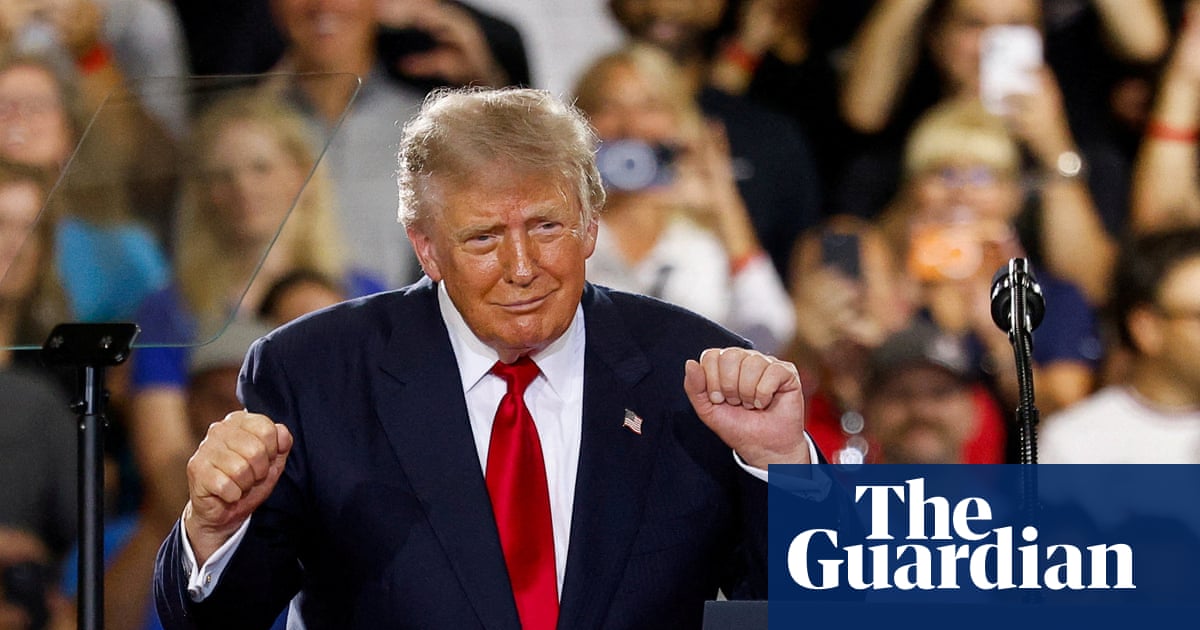
States Sue Trump Administration Over New Tariffs
A significant legal challenge is unfolding in the United States as a coalition of twenty-five states has filed lawsuits against the Trump administration, contesting the recent imposition of tariffs on a broad range of trading partners. These legal actions, reported by major news outlets including The Guardian, Reuters, and CNBC, signal a deepening rift over the economic and constitutional implications of the administration's trade policies.
What Happened?
The core of the controversy lies in new tariffs enacted by the Trump administration, which have affected approximately 60 trading partners globally. While the specific details of each tariff vary, the general intent has been to alter trade balances and protect domestic industries. However, these actions have triggered a strong response from a considerable number of U.S. states, which argue that the tariffs are unlawful and detrimental to their economies. The lawsuits aim to halt the implementation of these tariffs, asserting that the administration overstepped its authority and that the tariffs constitute an unconstitutional burden on interstate and foreign commerce.
Why It Matters
The trending nature of "tariff" is directly linked to the widespread impact these policies are having and the organized legal resistance they are generating. Tariffs, which are taxes on imported goods, are intended to make foreign products more expensive, thereby encouraging domestic consumption and protecting local industries. However, they can also lead to retaliatory tariffs from other countries, increasing costs for consumers and businesses, disrupting supply chains, and potentially harming export-reliant sectors within the U.S. The current legal battles are significant because they represent a direct challenge to the executive branch's power in setting trade policy and highlight the economic anxieties felt by various states and industries. The outcomes of these lawsuits could set important precedents for future trade actions and influence the broader economic landscape.
Background Context
Trade policy has been a central theme of the Trump administration, with a consistent focus on renegotiating trade deals and addressing perceived trade imbalances. The use of tariffs has been a primary tool in this strategy, often justified as necessary to protect American jobs and industries from unfair foreign competition. Previously, the administration had imposed tariffs on goods from countries like China and the European Union, sparking retaliatory measures and international disputes. These new tariffs, affecting a wider array of partners, represent an escalation of this approach. The legal challenges from the states are not unprecedented, as trade policy has often been a source of tension between federal and state authorities, but the scale of this current legal front is notable.
What to Expect Next
The legal proceedings are expected to be complex and potentially lengthy. Courts will likely scrutinize the executive branch's authority to impose such broad tariffs, the specific justifications provided, and the demonstrable economic impacts on states and the nation. Depending on the rulings, there could be significant shifts in U.S. trade policy. If the states are successful, the administration might be forced to withdraw or modify the tariffs, potentially easing trade tensions but also signaling a constraint on executive power in this area. Conversely, if the administration prevails, it could embolden further use of tariffs as a trade tool. Businesses and consumers will be closely watching these developments, as they have direct implications for the cost of goods, supply chain stability, and overall economic growth. The involvement of multiple states suggests a coordinated effort to push back against federal policies that are perceived as harmful, setting the stage for a significant legal and economic debate.
"The scale of opposition, with twenty-five states filing lawsuits, underscores the profound economic concerns and legal questions surrounding the administration's unilateral trade actions."
- Analysis of state-led tariff challenges
The debate over tariffs involves balancing national economic interests with global trade realities. The current legal challenges represent a critical juncture, where the judiciary's role in mediating such disputes is being tested. The outcome will not only affect the immediate trade environment but could also shape the future of trade policy and federal-state relations in the United States.