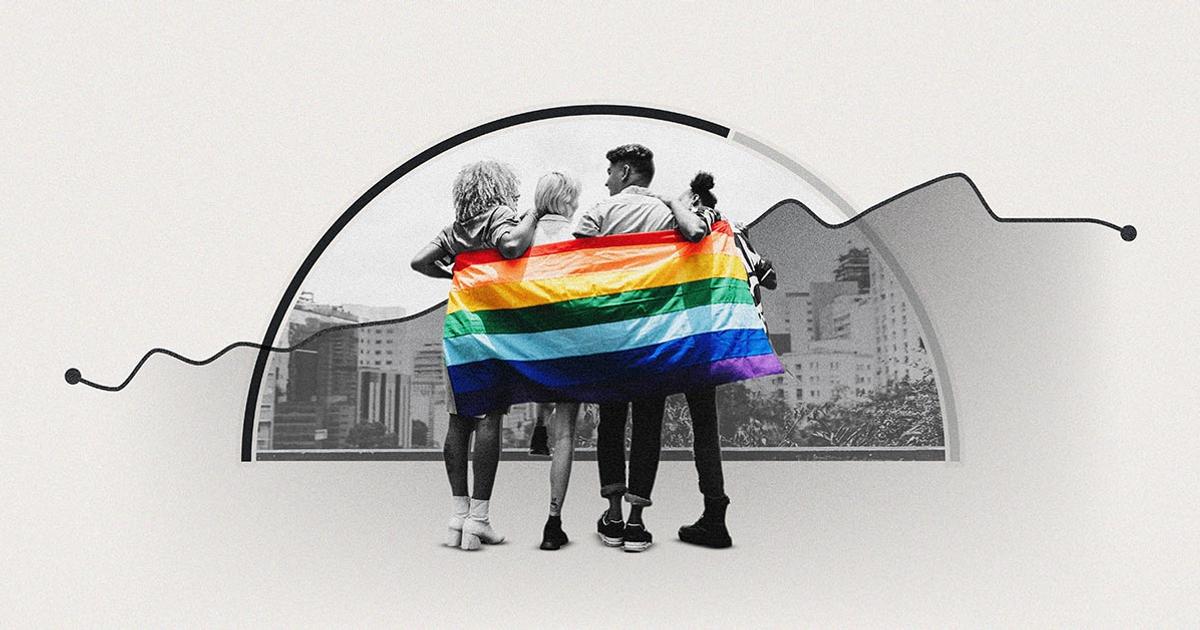
Transgender
Politics2000+ searches
Quick Answer
Recent polls indicate a decline in U.S. support for LGBTQ+ issues, including transgender rights, marking a shift from previous peaks. This trend suggests a complex cultural landscape influencing public opinion on these matters.
Why Is This Trending?
The topic of "transgender" is trending due to significant shifts in public opinion regarding LGBTQ+ rights in the United States. Recent polls from reputable organizations like Gallup have highlighted a notable decrease in American support for these issues, which had previously reached record highs. This slide backward is occurring amidst broader cultural discussions and perceived shifts in societal attitudes, prompting widespread attention and debate about the current state and future of transgender rights and acceptance.
Shifting Sands: Understanding the Trend in Transgender Support
Recent data suggests a complex and evolving landscape regarding public opinion on transgender issues in the United States. For several years, support for LGBTQ+ rights, including those of transgender individuals, saw a steady and significant increase. However, the latest polling indicates a reversal of this trend, with a measurable decline in overall support compared to recent peaks.
What Happened? The Latest Polls on LGBTQ+ Support
Multiple analyses of recent polling data, notably from Gallup, reveal a concerning trend for advocates of LGBTQ+ rights. These polls, which have historically tracked public sentiment, now show a decrease in the percentage of Americans who express support for LGBTQ+ issues. This includes attitudes toward same-sex marriage and, specifically, transgender rights. While support levels remain higher than historical benchmarks, the downward trajectory is a significant development that has captured national attention.
Organizations like Gallup have been tracking these shifts closely. Their findings suggest that the previous consistent rise in acceptance may be plateauing or even reversing. News outlets such as AP News and Fox News have also reported on these findings, framing them within the context of a broader "cultural shift" that is influencing public discourse and, consequently, public opinion.
Why Does This Matter? The Implications of Declining Support
The implications of this trend are far-reaching. For the transgender community, a decline in public support can translate into increased vulnerability, reduced social acceptance, and potential challenges in accessing rights and protections. It can embolden opposition to transgender rights, leading to increased legislative battles and public scrutiny.
"Shifting attitudes on transgender issues are not just abstract polling numbers; they directly impact the lived experiences and safety of transgender individuals."
Furthermore, these shifts in public opinion can influence political discourse and policy-making. As support wanes, it may become more challenging for lawmakers to advance pro-transgender legislation or to protect existing rights. This could lead to a rollback of protections or the introduction of new barriers that disproportionately affect transgender people.
Background Context: A History of Evolving Attitudes
Understanding the current trend requires looking at the historical context of LGBTQ+ rights in America. The past few decades have witnessed remarkable progress in the fight for equality, marked by landmark legal victories and a growing cultural acceptance of LGBTQ+ individuals. Public opinion on issues like same-sex marriage, for example, has undergone a dramatic transformation.
The increased visibility of transgender individuals in media and public life, coupled with advocacy efforts, contributed to rising support. However, public opinion is rarely static. It can be influenced by a multitude of factors, including political polarization, media coverage, and cultural debates.
Some analysts suggest that the current decline might be a reaction to the rapid pace of change, or a result of targeted political or social campaigns aimed at creating division. Others point to a generational divide in attitudes, with younger generations generally showing higher levels of support than older ones, though even among younger demographics, shifts are being observed.
What to Expect Next: The Future of Transgender Rights and Support
The future trajectory of support for transgender issues remains uncertain. The recent polling data suggests a period of potential recalibration or even contention. Advocates will likely redouble their efforts to educate the public, counter misinformation, and mobilize support for transgender rights.
Conversely, those opposed to expanding transgender rights may feel emboldened by the polling data, potentially leading to increased activism and legislative efforts to restrict rights or access. The ongoing cultural conversation and political debates surrounding gender identity will continue to shape public perception.
It is crucial to continue monitoring these trends through reliable polling and to engage in informed, respectful dialogue. The experiences and rights of transgender individuals are a significant aspect of the broader conversation about equality and human rights in the United States.
- Increased focus on education: Organizations may intensify efforts to provide accurate information about transgender identities and experiences.
- Legislative battles: Expect continued debates and potential legal challenges surrounding transgender rights, particularly concerning healthcare, sports, and public accommodations.
- Media portrayal: The way transgender individuals are represented in media will likely remain a key factor influencing public perception.
- Political engagement: The issue will continue to be a point of discussion and mobilization for various political groups.
Ultimately, the current trend highlights the dynamic nature of public opinion and the ongoing need for advocacy and understanding to ensure the rights and well-being of all individuals, including the transgender community.
Related News
Frequently Asked Questions
Why is transgender trending?
The topic is trending due to recent polls from organizations like Gallup indicating a decline in U.S. support for LGBTQ+ issues, including transgender rights. This shift from previous peaks is being discussed in the context of broader cultural changes.
What happened with transgender support?
Recent Gallup polls show that American support for LGBTQ+ issues has decreased from its peak levels. This includes a noted shift in attitudes towards transgender rights and same-sex marriage, suggesting a segment of the population is moving away from previous levels of acceptance.
Are Americans becoming less supportive of transgender people?
According to recent polls, there's evidence suggesting a decline in overall U.S. support for LGBTQ+ issues, which encompasses transgender rights. While support remains higher than historical averages, it has notably slid back from the peak levels observed in recent years.
What is causing the decline in support for transgender issues?
The exact causes are complex and debated, but reports link the decline to broader "cultural shifts." Factors may include increased political polarization, ongoing public discourse on gender identity, and potentially a reaction to the rapid pace of societal changes regarding LGBTQ+ acceptance.