Yellowstone National Park Bison Safety: Understanding and Preventing Encounters
Recent Incident Highlights Critical Safety Concerns
Yellowstone National Park, renowned for its geothermal wonders and abundant wildlife, is once again confronting the critical issue of bison safety. Recent news has brought renewed attention to this topic, following an incident where a 12-year-old child was reportedly gored by a bison near the Mud Volcano area. This event, widely reported by news outlets such as ABC News, People.com, and JHNewsAndGuide.com, has understandably caused concern among the public and underscored the ongoing need for vigilance and adherence to safety guidelines when visiting the park.
Why Bison Safety Matters in Yellowstone
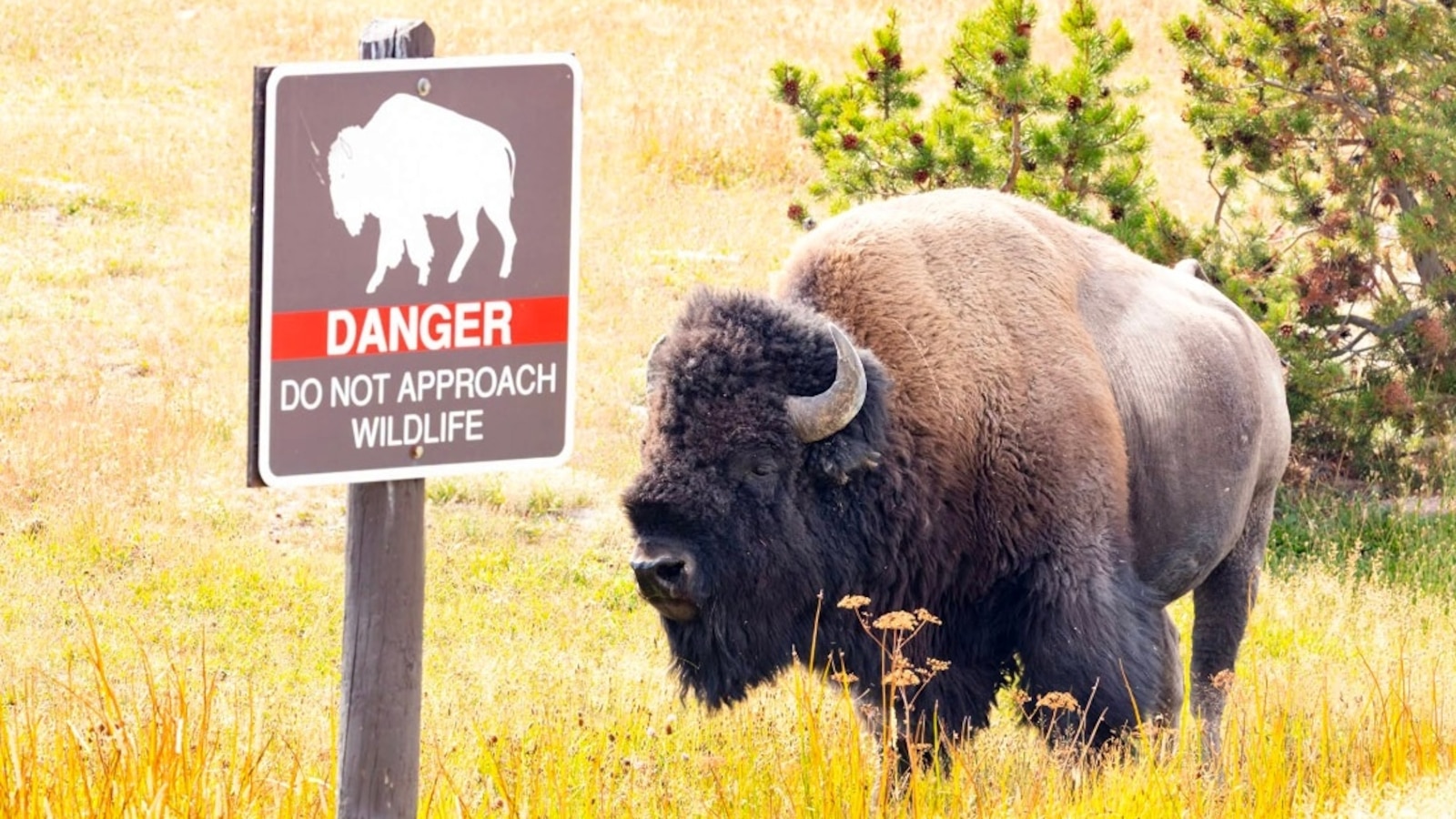
Bison are the largest land mammals in North America and are a quintessential symbol of the American West. Yellowstone National Park is home to the largest free-roaming bison population in the world, making encounters with these powerful animals a significant part of the visitor experience. However, their majestic appearance can sometimes mask their wild nature. Bison are unpredictable and can be dangerous when they feel threatened, stressed, or are protecting their young. The park's ecosystem is designed for wildlife to roam freely, and human interaction, especially when it infringes on the animals' space, can lead to dangerous situations for both people and bison.
Background: A History of Interactions
Yellowstone's relationship with bison is deeply historical, dating back to their near extinction and subsequent recovery within the park's boundaries. While the park's mission includes preserving these animals and their habitat, it also prioritizes visitor safety. Unfortunately, incidents of visitors getting too close to bison have occurred periodically over the years. These often stem from a misunderstanding of the animals' behavior or a failure to maintain the recommended safe distances.
Understanding Bison Behavior
It is crucial for visitors to understand that bison, despite often appearing docile, are wild animals. They have been known to charge suddenly if they perceive a threat. Factors that can provoke a bison include:
- Approaching them too closely.
- Getting between a mother and her calf.
- Making loud noises or sudden movements.
- Feeding them (which is strictly prohibited and harmful).
The recommended safe viewing distance for bison is at least 25 yards (about 23 meters). For all other large animals, including bears and wolves, that distance is 100 yards (about 91 meters). Park rangers and interpretive materials constantly emphasize these guidelines, but the sheer number of visitors and the animals' presence near popular areas present a persistent challenge.
The Mud Volcano Incident and Its Implications
The recent goring of a 12-year-old near Mud Volcano serves as a tragic reminder of these risks. While details of the specific circumstances are still emerging, such events invariably lead to a review of safety protocols and a reinforcement of public awareness campaigns. The incident highlights that even seemingly calm animals can react aggressively when their personal space is invaded or they feel cornered. It also brings to the forefront the responsibility that visitors bear in ensuring their own safety by respecting the park's rules and wildlife.
"When an animal is being petted, fed, or photographed, it is usually the photographer that moves closer to the animal, not the other way around. This often results in an animal becoming defensive or aggressive." - National Park Service guidance (paraphrased for context)
What to Expect Next: Enhanced Focus on Safety
Following such incidents, it is common for national parks to reassess and potentially enhance their safety measures. This could include:
- Increased ranger presence in high-traffic wildlife viewing areas.
- More prominent signage regarding safe distances and animal behavior.
- Reinforced educational programs for visitors, especially during peak seasons.
- Potential temporary closures of specific areas if wildlife behavior becomes a significant concern.
The Yellowstone bison population is a vital part of the park's identity and ecosystem. Ensuring that visitors can safely observe and appreciate these magnificent creatures requires a collective effort. By understanding bison behavior, maintaining respectful distances, and adhering to park regulations, visitors can contribute to a safe and memorable experience for themselves and help protect the wildlife that makes Yellowstone so extraordinary.
It is essential for all visitors to be aware of their surroundings and to treat all wildlife with caution and respect. Remember that you are in their home, and their safety, as well as yours, depends on your actions.