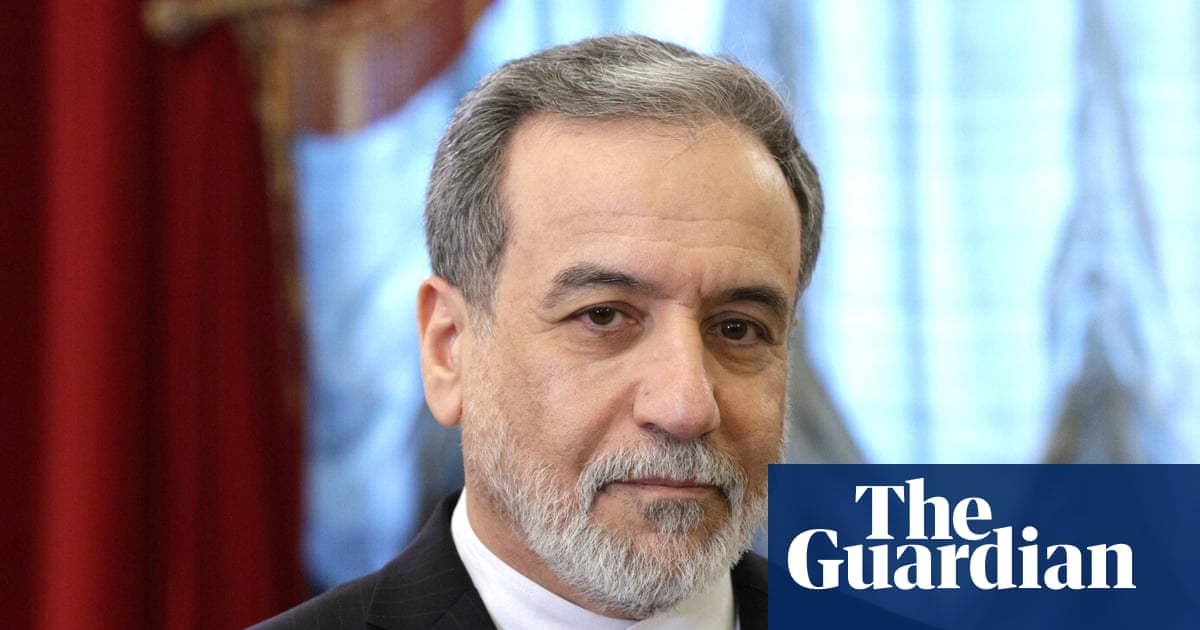
Abbas Araghchi: Navigating Iran's Nuclear Diplomacy and Political Contingencies
Abbas Araghchi, a significant figure in Iranian foreign policy, has recently re-entered the public discourse, primarily due to his involvement in past nuclear negotiations and his commentary on sensitive political matters within Iran. The trending of his name is largely connected to revelations about the mechanics of Iran's nuclear talks and his perspective on internal political succession planning.
What Happened?
Recent reports have highlighted Abbas Araghchi's statements concerning Iran's nuclear negotiations and internal political matters. He has admitted that a six-member committee was responsible for leading the nuclear talks, a detail that sheds light on the decision-making process behind Iran's engagement with international bodies on its nuclear program. In a separate but related development, Araghchi has also been quoted discussing pre-planned scenarios that were in place for the potential death of Iran's Supreme Leader, Ali Khamenei. These statements suggest a level of preparedness within the Iranian establishment for significant leadership transitions, even as Khamenei remains in power.
Why It Matters
The information emerging from Araghchi's recent statements holds significance for several reasons. Firstly, it provides a clearer picture of the internal dynamics of Iran's nuclear diplomacy. Understanding who led these critical negotiations and how decisions were made is crucial for analyzing the country's foreign policy and its approach to international agreements. The mention of a specific six-member committee could offer insights into the power structures and influence within the Iranian government regarding this sensitive issue.
Secondly, Araghchi's comments on contingency plans for Khamenei's death are particularly noteworthy. Given Khamenei's long tenure and central role in Iran's political system, any discussion of succession planning or emergency protocols carries substantial weight. Such statements, whether intended to signal stability or preparedness, can influence perceptions both domestically and internationally about the stability of the Iranian regime and its future direction. It touches upon the fundamental question of political continuity in a state where the Supreme Leader holds ultimate authority.
Background Context
Abbas Araghchi has a long-standing career in Iranian diplomacy. He has served in various high-ranking positions, including as Deputy Foreign Minister for Political Affairs. In this capacity, he was a key negotiator in the talks that led to the Joint Comprehensive Plan of Action (JCPOA), commonly known as the Iran nuclear deal, in 2015. His experience spans decades of navigating complex international relations and representing Iran in critical negotiations.
“Araghchi's deep involvement in the nuclear talks positions him as a crucial source of information regarding the intricacies of Iran's foreign policy decisions.”
The JCPOA aimed to limit Iran's nuclear program in exchange for sanctions relief. Araghchi was a prominent figure on the Iranian side during these multilateral discussions, engaging with world powers on a highly contentious issue. His perspective on these talks, including the internal structures that guided them, is valuable for understanding the historical context of Iran's nuclear ambitions and its international engagements.
Regarding the succession aspect, Iran's political system is structured around the Supreme Leader, who is the highest political and religious authority. The process for selecting a successor is not transparent, leading to speculation and analysis whenever the health or age of the current leader is a topic of discussion. Statements from officials like Araghchi, even if framed as routine preparedness, can be interpreted as indicators of the regime's internal dynamics and foresight.
What to Expect Next
The trending of Abbas Araghchi's name suggests continued interest in his insights and past roles. As discussions around Iran's nuclear program persist, particularly with the potential for renewed negotiations or shifts in international policy, Araghchi's commentary on the historical talks may become even more relevant. Analysts and policymakers will likely continue to seek his perspective on the challenges and successes of past diplomatic efforts.
Furthermore, any future statements from Araghchi or other Iranian officials regarding political succession or the internal workings of the regime will be closely scrutinized. The stability and future direction of Iran are subjects of significant international attention, and figures with Araghchi's background are often looked to for understanding these complex issues. His role as a former key negotiator and his recent remarks place him at the intersection of Iran's foreign policy and its internal political landscape, ensuring his name will likely remain a point of interest.
The specifics of the six-member committee and the pre-planned scenarios for leadership transition, while drawing attention now, may lead to further investigative journalism or analysis aiming to understand the full implications. The transparency, or lack thereof, surrounding these processes will continue to be a focal point for observers of Iranian politics.