Understanding the Cyclosporiasis Outbreak: What You Need to Know
What is Cyclosporiasis and What Happened?
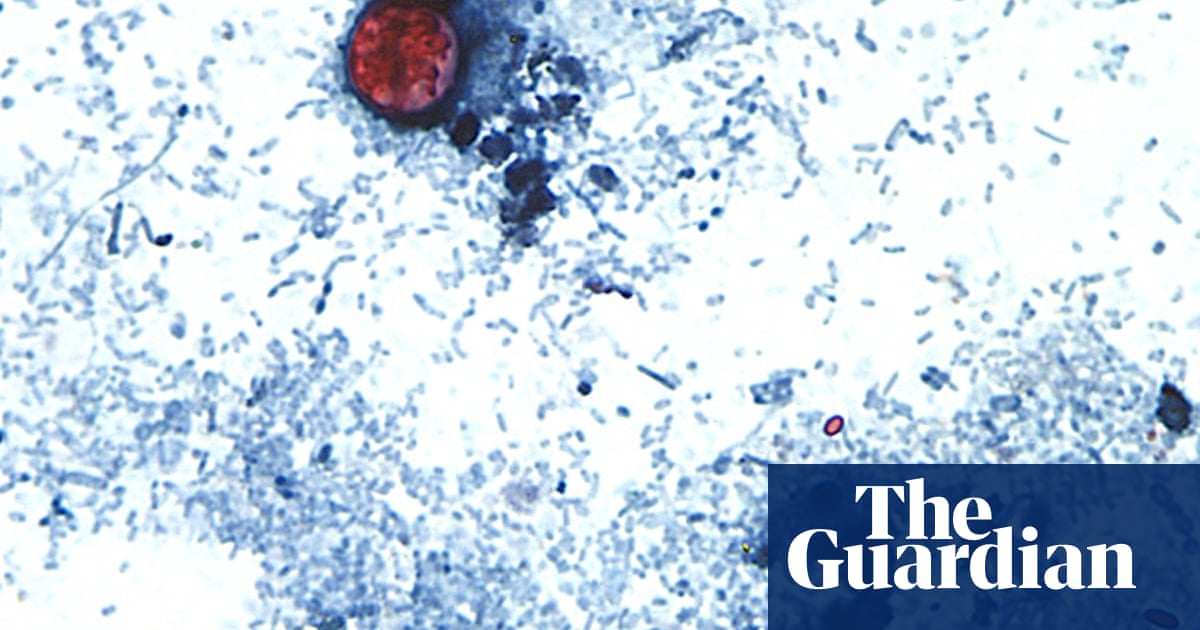
Cyclosporiasis is an intestinal illness caused by a microscopic parasite called Cyclospora cayetanensis. Infection typically occurs when someone ingests contaminated food or water. The recent trend in news and public health alerts centers around a notable outbreak of this illness across various regions, leading to a surge in reported cases. The symptoms, primarily gastrointestinal, often include watery diarrhea, loss of appetite, cramping, bloating, nausea, and fatigue. In some cases, vomiting and fever can also occur. These symptoms can be severe and prolonged, sometimes lasting for weeks or even months if left untreated, and can be mistaken for other common gastrointestinal bugs.
Why is Cyclosporiasis Trending Now?
The increased attention on cyclosporiasis is driven by a significant number of reported illnesses and the subsequent impact on public health and the food industry. News reports indicate that the outbreak has been "explosive," affecting numerous individuals and creating concern among health officials. This trend is amplified by discussions on how widespread the illness has become, with restaurants across America reportedly "rattled" by the potential for contamination within their supply chains. Furthermore, the conversation has extended to practical advice for consumers, such as whether pre-washed lettuce needs additional washing – a question that highlights the pervasive nature of the concern and the public's desire for clear guidance on safe food handling.
Background Context: The Cyclospora Parasite
Cyclospora cayetanensis is a single-celled parasite that infects the small intestine. It is transmitted through contaminated food or water. The parasite is thought to originate from human feces, meaning that inadequate sanitation or hygiene practices can lead to its spread. Outbreaks have been linked to various fresh produce items, including berries, herbs, and leafy greens, often imported from regions where sanitation standards may differ. The parasite requires a period of time after being shed in feces to become infectious, meaning that contamination can occur at various points in the food production and distribution chain, from farm to table.
Why This Outbreak Matters
This current outbreak matters for several reasons. Firstly, the severity and duration of cyclosporiasis symptoms can significantly impact an individual's quality of life, leading to missed work, school, and general disruption. Secondly, it raises critical questions about the safety of our food supply. The involvement of common produce items, some of which are pre-washed, suggests a need for enhanced scrutiny of food handling and preparation practices at all levels. The "rattled" restaurant industry underscores the economic and reputational risks associated with foodborne illnesses. Public health agencies and food safety organizations are under pressure to identify the source of contamination and implement measures to prevent future outbreaks. The hopeful sentiment from test-makers about the outbreak slowing, as reported by The Guardian, indicates ongoing efforts to track and manage the situation, but the need for vigilance remains high.
What to Expect Next
As public health officials continue to investigate the scope and origin of the current cyclosporiasis outbreak, several developments can be anticipated. We can expect ongoing monitoring of reported cases and continued efforts to pinpoint specific food sources or common links among affected individuals. This may involve enhanced testing and traceback investigations. For consumers, it's likely that public health advisories regarding produce handling and preparation will continue, potentially emphasizing thorough washing of all fresh produce, even those labeled as pre-washed. The food industry, particularly restaurants and produce suppliers, will likely face increased scrutiny and may implement stricter internal safety protocols. The development and availability of diagnostic tests also play a crucial role, as highlighted by the optimism of test-makers. Ultimately, the goal is to contain the current outbreak and implement preventative strategies to mitigate the risk of future occurrences. Staying informed through reliable public health sources will be key for individuals to protect themselves.
"It's not just about washing your hands; it's about rethinking how we prepare and consume even the most basic of foods," stated one infectious disease expert, emphasizing the complexity of modern food safety challenges.
Key Takeaways:
- Cyclosporiasis is a parasitic intestinal illness causing severe diarrhea and fatigue.
- A significant outbreak is currently trending due to widespread illness and its impact on the food industry.
- Concerns have been raised about the safety of fresh produce, including pre-washed items.
- Public health agencies are investigating the source and working to prevent further spread.
- Individuals are advised to practice good hygiene and thorough produce washing.