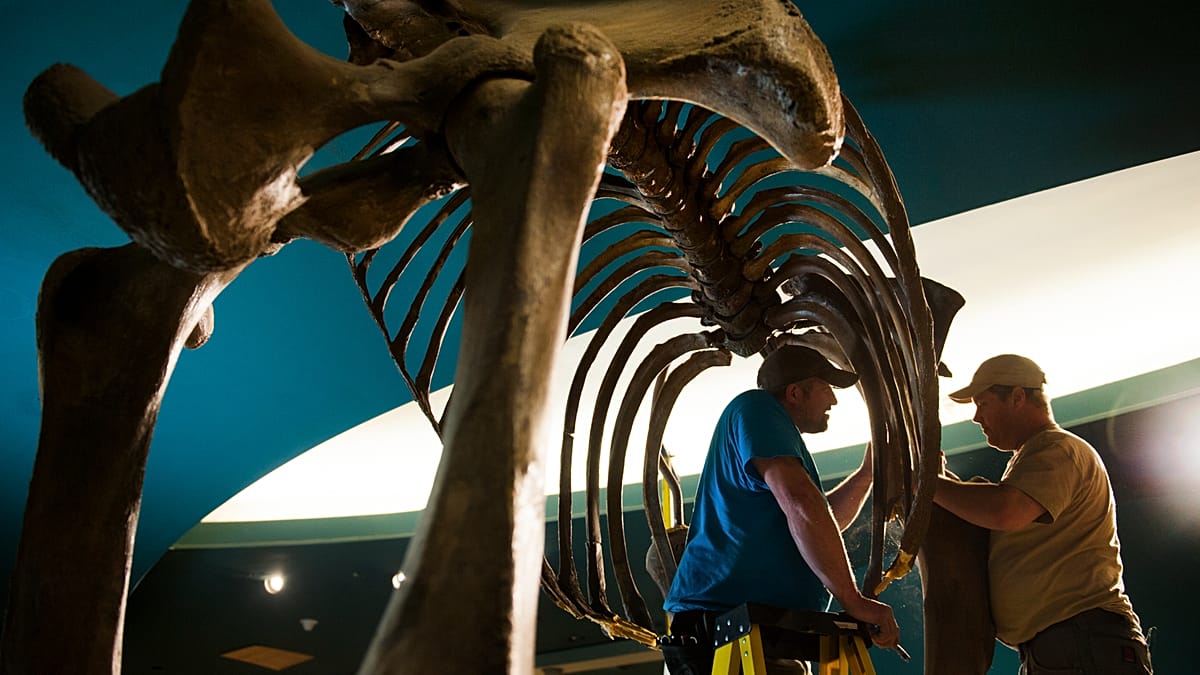
Danube Drought Reveals Ancient Mammoth Giants
Europe is grappling with an unprecedented heatwave, leading to alarmingly low water levels in major rivers, most notably the Danube. This iconic waterway, which flows through or borders ten countries, is currently at historically low points in several sections. As the Danube shrinks, a dramatic and unexpected consequence is the uncovering of ancient secrets, including the remarkable discovery of woolly mammoth bones in Bulgaria.
What Happened: Mammoths Emerge from the Danube
Recent reports from news outlets like Euronews, The Guardian, and Reuters highlight the startling revelations brought about by the Danube's receding waters. In Bulgaria, the skeleton of a giant woolly mammoth has been found along the riverbed as the drought drastically lowered water levels. This is not an isolated event; the persistent heat and lack of rainfall have turned parts of the river into shallow streams, exposing ancient landscapes and artifacts that have been submerged for millennia. The mammoth remains represent a significant archaeological find, offering a direct glimpse into the Pleistocene era.
Why This Matters: Climate Change and Unveiled History
The discovery of mammoth bones in the Danube serves as a powerful and tangible indicator of the severity of the current drought and the broader impact of climate change. While the unearthing of such ancient creatures is fascinating, it also underscores the fragility of our historical and natural heritage. As water levels drop, these invaluable relics are exposed to the elements, risking degradation and loss before they can be properly studied and preserved. The phenomenon extends beyond Bulgaria, with low water levels across Europe revealing other historical remnants, such as forgotten shipwrecks, further emphasizing the widespread impact of the extreme weather conditions.
Background Context: The Age of Mammoths and the Danube
Woolly mammoths (Mammuthus primigenius) roamed vast swathes of Europe and Asia during the Pleistocene epoch, a period characterized by ice ages. These magnificent herbivores were adapted to cold environments and were a common sight in the landscapes that would eventually be shaped by glacial melt and river systems like the Danube. The Danube River itself has a long and complex history, serving as a vital artery for trade, migration, and settlement for thousands of years. Its basin is rich in archaeological sites, and the low water levels are essentially acting as a temporary archaeological dig, revealing layers of history previously inaccessible.
The discovery prompts questions about how many other such significant finds might lie undiscovered or at risk due to drying rivers. Scientists and archaeologists are likely keen to study the unearthed mammoth remains to understand more about the animal's life, its environment, and the circumstances under which it met its end and came to rest in what is now the Danube riverbed. The condition of the bones will provide clues about fossilization processes and the geological history of the region.
What to Expect Next: Preservation and Future Discoveries
As the drought continues, there is a race against time to document and potentially recover any significant finds before they are further damaged or lost. Archeological teams and local authorities will likely be monitoring the situation closely, prioritizing the preservation of these ancient relics. It is possible that further discoveries will be made as more of the riverbed is exposed. This event also serves as a stark reminder of the interconnectedness of environmental conditions and historical preservation, urging for greater attention to climate change mitigation and the protection of vulnerable heritage sites.
The drying of the Danube and the subsequent unearthing of its ancient inhabitants is a compelling, albeit somber, event. It connects us directly to Earth's distant past while simultaneously serving as a potent symbol of contemporary environmental challenges. The mammoth bones emerging from the river's depths are not just relics of a bygone era; they are a call to action for the present.