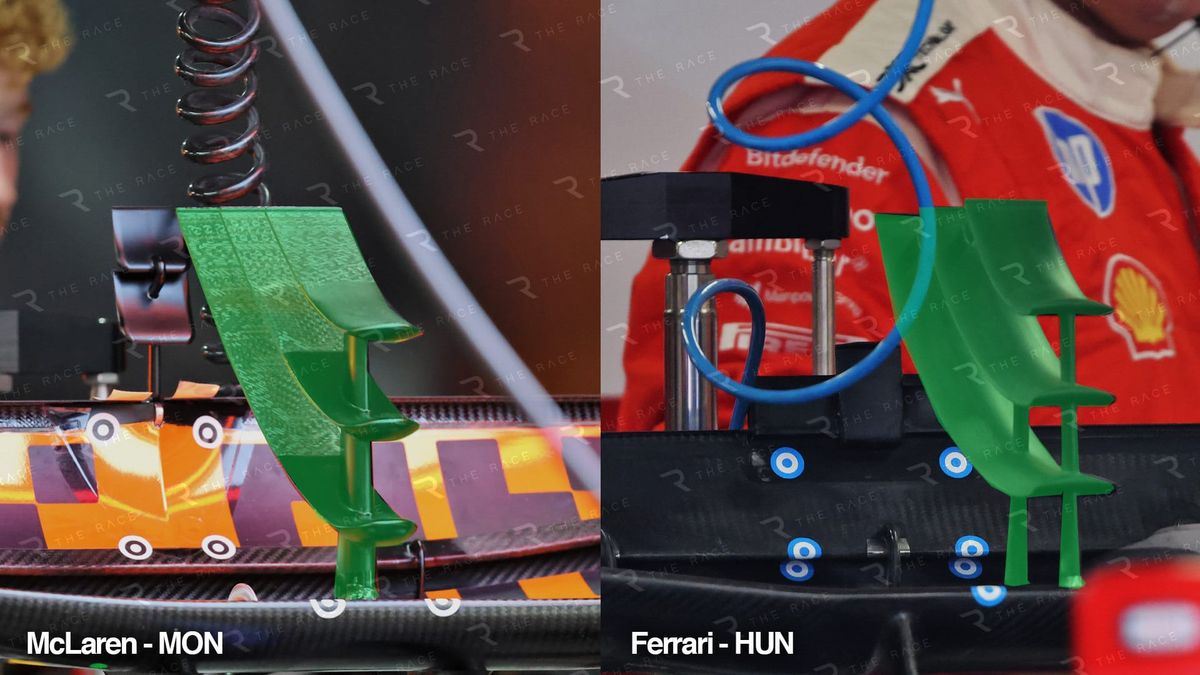
Ferrari's "Macarena Wing" Sparks Innovation Frenzy in Formula 1
The world of Formula 1 is abuzz with talk of a radical new aerodynamic concept, colloquially known as the "Macarena wing," which is reportedly being explored by leading teams, most notably Ferrari and McLaren, for the upcoming 2026 season. This innovative design, named for its presumed dynamic and cascading movement of wing elements, represents a significant departure from traditional rear wing structures and has ignited discussions about the future of aerodynamic efficiency in the sport.
What is the "Macarena Wing"?
The term "Macarena wing" isn't an official F1 designation but rather a descriptive nickname that has emerged within the paddock and among motorsport journalists. It refers to a hypothesized rear wing design that allows for more complex and potentially independent movement of its various elements. Unlike conventional wings that primarily adjust their overall angle of attack, the "Macarena" concept suggests a system where individual flaps or sections of the wing could move or articulate in sequence, reminiscent of the popular dance move. The primary goal of such a design would be to dynamically optimize the wing's performance – generating maximum downforce when needed, such as in corners, and minimizing drag on straights, all while complying with the new 2026 aerodynamic regulations.
Why is it Trending Now?
The recent surge in interest surrounding the "Macarena wing" is directly linked to reports from reputable motorsport news outlets like The Race and Autosport. These publications have detailed how teams, particularly McLaren, are on the verge of trialing such a system, with potential tests earmarked for the Hungarian Grand Prix. Furthermore, PlanetF1 highlighted a moment involving Lewis Hamilton, who is set to join Ferrari in 2025, reportedly spotting a missed opportunity or a potential advantage related to such aerodynamic innovations during the Hungarian GP. This sighting, coupled with ongoing development and speculation about Ferrari's own potential adoption of similar concepts for 2026, has propelled the "Macarena wing" into the spotlight.
Background Context: The 2026 Regulations
The timing of this innovation is crucial, as Formula 1 is ushering in a significant overhaul of its technical regulations for the 2026 season. These new rules are designed to promote closer racing, improve sustainability with a new engine formula incorporating advanced E-fuels, and enhance aerodynamic efficiency. A key aspect of the 2026 regulations is a focus on "active aero" – systems that can dynamically adjust aerodynamic components to adapt to different racing situations. The "Macarena wing" concept appears to be a direct response to these regulatory shifts, pushing the boundaries of what is possible with movable aerodynamic surfaces within the new framework. Teams are investing heavily in R&D to exploit these new rules, and radical ideas like the "Macarena wing" are the kind of groundbreaking concepts that could define the next era of Formula 1.
Why This Innovation Matters
The implications of a successful "Macarena wing" design are substantial. Firstly, it could offer a significant performance advantage. By more precisely controlling airflow and optimizing downforce and drag in real-time, teams employing such technology could gain lap time. Secondly, it represents a fascinating evolution in aerodynamic design. The complexity required to implement and control such a system is immense, showcasing the incredible engineering prowess within Formula 1. It also poses questions about the spirit of the regulations and the ongoing battle between innovation and restriction in the sport. As Lewis Hamilton's reported observation suggests, even seemingly small details or missed opportunities in aerodynamic development can have a profound impact, especially when transitioning to new rulesets.
What to Expect Next
The upcoming Hungarian Grand Prix practice sessions are likely to be closely watched for any visual confirmation or data related to these advanced rear wing concepts. If McLaren, or potentially other teams, indeed trial such a system, it will provide the first real-world glimpse of its functionality. The subsequent reactions from rival teams, including Ferrari, will be telling. Will this design prove effective and be widely adopted, or will it be deemed too complex, too costly, or ultimately fall foul of future interpretations of the regulations? The "Macarena wing" is more than just a catchy nickname; it represents a potential paradigm shift in F1 aerodynamics, and its development will be a key storyline leading up to and throughout the 2026 season.
"The pursuit of aerodynamic efficiency in Formula 1 is a relentless cycle of innovation and adaptation. The 'Macarena wing' is a prime example of how teams are already thinking ahead to the 2026 regulations, pushing the boundaries of what's technically feasible to gain a competitive edge."
Key Takeaways:
- The "Macarena wing" is a nickname for a new, dynamic rear wing concept being explored for F1 2026.
- Teams like McLaren and Ferrari are reportedly developing and potentially testing these advanced aerodynamic systems.
- The concept aims to optimize downforce and drag through complex, sequential movement of wing elements.
- This innovation is driven by the upcoming 2026 Formula 1 technical regulations which encourage more dynamic aerodynamic solutions.
- The Hungarian GP practice sessions are anticipated to be a key moment for observing these new designs in action.
As the 2026 season approaches, the "Macarena wing" serves as a potent symbol of the cutting-edge engineering and strategic thinking that continues to define the pinnacle of motorsport.