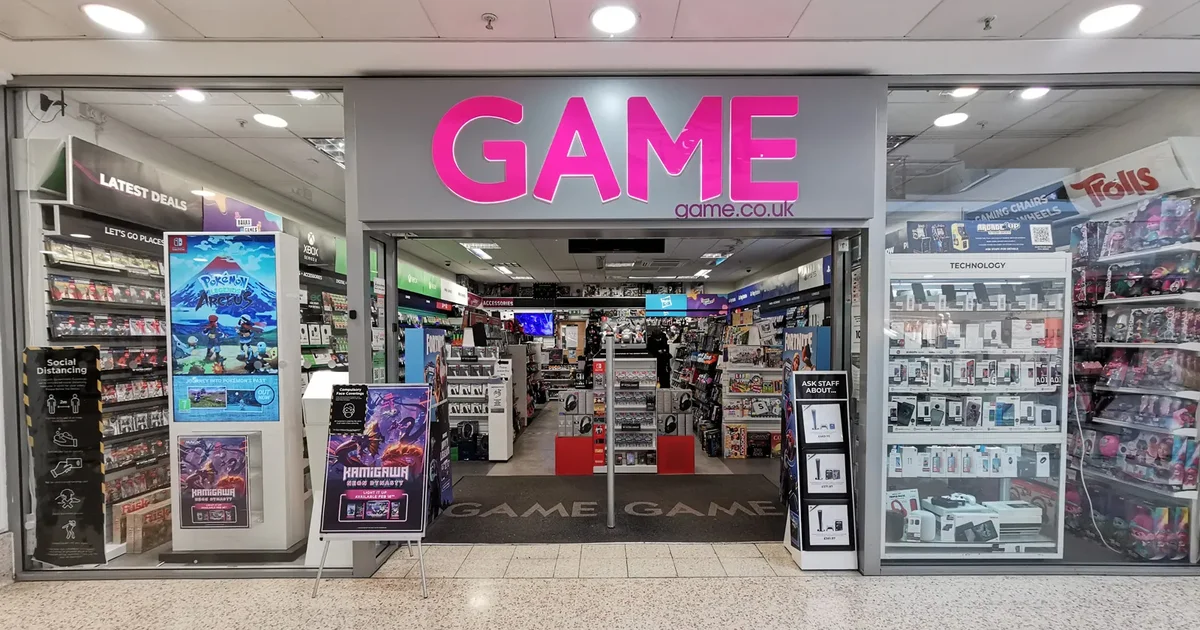
GAME Retail Limited Enters Administration: What You Need to Know
The UK's high street has seen another significant blow with the news that GAME, a long-standing retailer of video games and consoles, has entered administration. This financial restructuring process casts a shadow over the future of the company and its numerous physical stores across the nation. Reports indicate that the company owes a substantial £16 million, underscoring the severe financial challenges it has been facing.
What Has Happened?
GAME Retail Limited has officially entered administration, a legal process where an independent administrator is appointed to manage the company's affairs. This typically occurs when a business is insolvent or unable to pay its debts. The administration allows for a potential rescue and restructuring of the company, or in some cases, the orderly wind-down and sale of its assets. News reports suggest that GAME owes creditors approximately £16 million, a figure that points to deep-seated financial problems.
Why is This Happening Now?
Several converging factors appear to have contributed to GAME's current predicament. The digital shift in gaming, where consumers increasingly purchase games digitally rather than buying physical copies from brick-and-mortar stores, has significantly impacted traditional retailers. Fierce competition, both from online giants and other physical retailers, further erodes market share. Additionally, the broader economic climate, including the ongoing uncertainty associated with Brexit, is cited as a contributing factor, potentially affecting consumer spending and business operations.
Background Context: A Shifting Retail Landscape
GAME has been a fixture on the UK high street for decades, offering everything from the latest console releases and video games to gaming accessories and merchandise. However, the retail sector, particularly for physical goods, has been undergoing a profound transformation. The rise of e-commerce has provided consumers with convenience and often lower prices, challenging the viability of traditional store models. Companies that have failed to adapt to these changing consumer habits and integrate online and offline experiences have struggled. GAME's situation is emblematic of the wider challenges faced by many brick-and-mortar retailers in the digital age.
Why Does This Matter?
The administration of GAME has significant implications. Firstly, it raises concerns about the future employment of thousands of staff working in its stores and head office. Secondly, it impacts consumers who rely on GAME for their gaming needs, particularly those who prefer the in-store experience, access to physical media, or trade-in services. The closure of its high street presence would also represent a loss for town centers, reducing footfall and local amenities. Furthermore, it signals a continuing trend of decline for physical retail, prompting questions about the long-term sustainability of non-essential goods stores on the high street.
"The pressures of online competition, changing consumer behaviour, and economic uncertainty have created a perfect storm for many physical retailers."
What to Expect Next
During the administration period, the appointed administrators will assess GAME's financial position and explore all available options. These could include:
- Seeking a buyer: An investor might be found to purchase the business, potentially in whole or in part, allowing it to continue trading.
- Restructuring: The company might undergo significant changes, possibly involving store closures and a leaner operating model to become profitable again.
- Asset sale: Individual stores or parts of the business could be sold off.
- Liquidation: In the worst-case scenario, the company might be wound down, and its assets sold to repay creditors, leading to permanent closure of all operations.
The administrators will provide updates as the process unfolds. Consumers with outstanding orders, gift cards, or pre-orders will be concerned about how this will affect them. Information regarding the treatment of such matters is usually clarified as the administration progresses.
The Future of Game Retail
GAME's situation is a stark reminder of the challenges facing the physical retail sector. While the appeal of digital downloads is undeniable, there remains a segment of the market that values physical games and the in-store experience. Whether GAME can be salvaged in some form or if this marks the end of an era for the brand remains to be seen. The outcome will likely depend on the administrators' ability to find a viable solution that addresses the company's substantial debt while adapting to the realities of the modern retail and gaming industries. The success of any potential turnaround will hinge on innovation, customer engagement, and a clear strategy to navigate the evolving market.