Minnesota's "Grandparents' Happy Hour" Bill Signed into Law, Easing Restrictions for Seniors
A recent legislative development in Minnesota is bringing smiles to the faces of many seniors and their families. The "Grandparents' Happy Hour" bill, officially signed into law, aims to relax restrictions on alcohol consumption for residents in assisted living facilities, particularly those in memory care or skilled nursing units. This change is being celebrated as a significant step towards enhancing the quality of life and promoting social engagement for the state's elderly population.
What Happened?
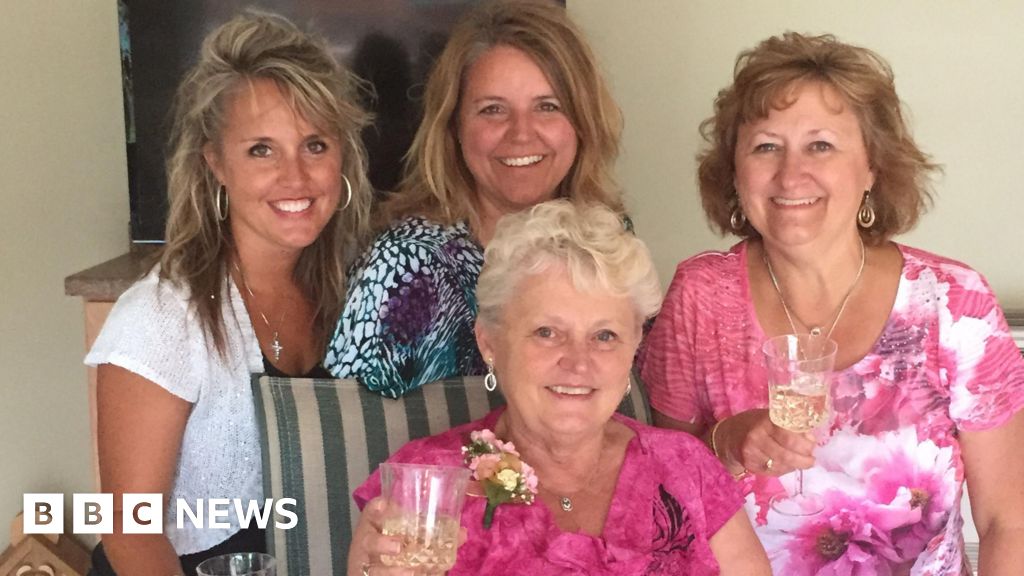
The "Grandparents' Happy Hour" bill, championed by lawmakers and advocates for senior care, modifies existing regulations that often prohibited residents of certain care facilities from consuming alcoholic beverages. Previously, even a small amount of alcohol could trigger restrictions or behavioral management protocols due to concerns about resident safety and potential agitation, especially for individuals with cognitive impairments like dementia. The new law allows for supervised social events where residents can enjoy a drink, such as wine or beer, in a controlled and safe environment. This initiative is inspired by similar successful programs in other states and the specific advocacy of individuals like an 82-year-old grandmother who, through her family's efforts, highlighted the need for such a change.
Why It Matters
The significance of this bill lies in its focus on resident dignity, personal choice, and social well-being. For many seniors, especially those residing in long-term care facilities, the ability to participate in familiar social activities like sharing a drink can be incredibly beneficial. It fosters a sense of normalcy, encourages social interaction among residents, and can improve overall mood and mental health.
"This is about more than just a drink; it's about quality of life, dignity, and recognizing that our loved ones in care facilities deserve opportunities for enjoyment and social connection just like anyone else."
The restrictions that the bill aims to alleviate were often overly broad, preventing even moderate, supervised consumption that could actually be calming or enjoyable for residents. By allowing these "happy hour" events, facilities can create more engaging and less restrictive environments, reducing feelings of isolation and enhancing the resident experience. This approach acknowledges that for some individuals, a controlled alcoholic beverage can be part of a relaxed social setting rather than a safety risk.
Background Context
The movement to ease alcohol restrictions in senior care facilities has been gaining momentum across the country. Several states have already implemented similar legislation or updated their policies to allow for supervised alcohol service in assisted living and memory care units. These changes often stem from:
- Advocacy by Families: Relatives of residents often witness firsthand the impact of restrictive policies and advocate for more flexible approaches.
- Research on Well-being: Studies suggest that social engagement and familiar activities contribute positively to the mental and emotional health of seniors.
- Regulatory Review: A growing recognition among policymakers that regulations should adapt to prioritize resident happiness and quality of life, alongside safety.
The Minnesota bill is a direct result of these broader trends, tailored to fit the state's specific regulatory framework. It reflects a shift in thinking about elder care, moving towards more person-centered approaches that value individual preferences and social normalcy.
What to Expect Next
With the "Grandparents' Happy Hour" bill now law, the focus will shift to its implementation across Minnesota's assisted living facilities. Care providers will need to develop guidelines and protocols for these supervised social events, ensuring they are conducted safely and responsibly. Families can likely expect to see more opportunities for their loved ones to participate in these activities in the coming months. This legislative success in Minnesota may also encourage other states to review and potentially reform their own regulations concerning alcohol consumption in senior care settings, further promoting a more holistic and resident-focused approach to elder care nationwide.