NBA Finals Ratings Soar: A Nostalgic Echo of the Jordan Era?
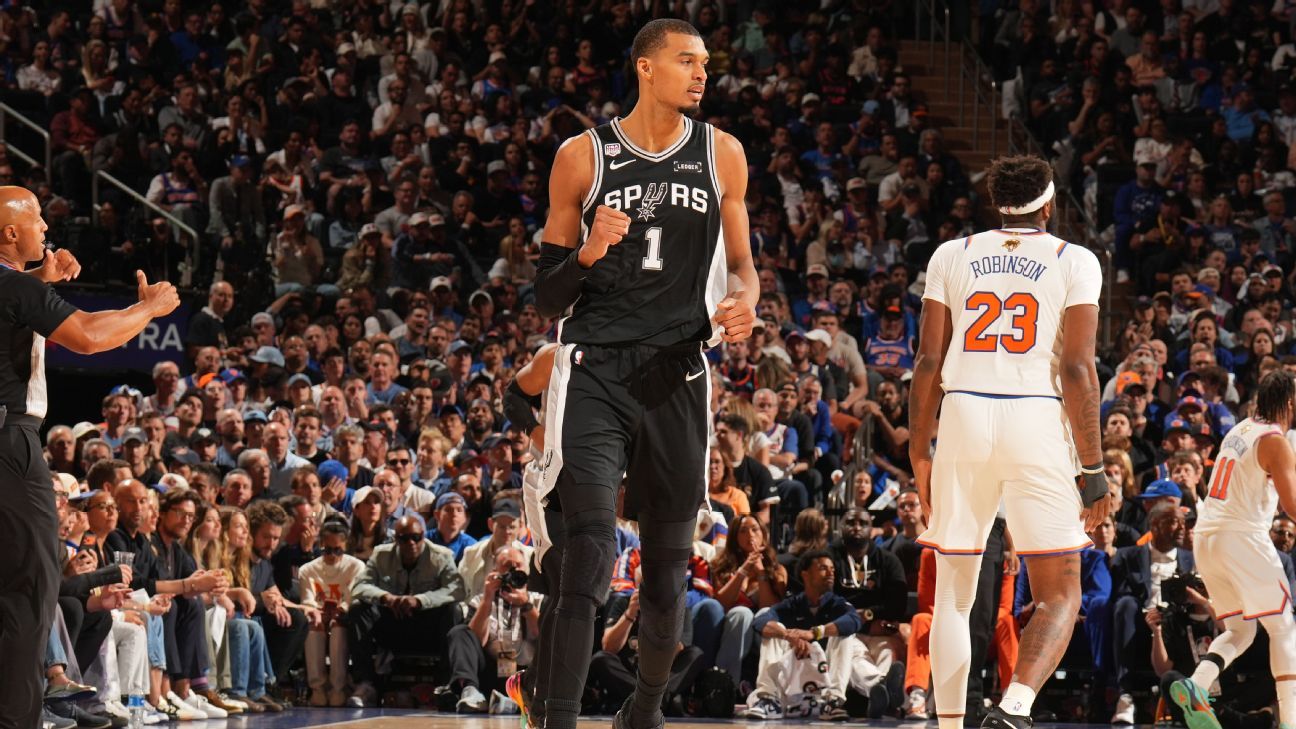
The recent NBA Finals have captivated audiences, with Game 3 between the New York Knicks and the San Antonio Spurs shattering viewership records. The game drew an average of 23.8 million viewers, marking the most-watched NBA Finals Game 3 since 1998. This impressive figure, reported by ESPN and Yahoo Sports, signifies a notable resurgence in interest for the league's championship series, drawing comparisons to the league's peak popularity during the Michael Jordan era.
What Happened? The Surge in Viewership
The latest NBA Finals matchups have experienced a dramatic uptick in viewership, culminating in Game 3 setting a new benchmark for the event. The Knicks-Spurs game alone attracted an audience of 23.8 million, a figure that hasn't been seen for a Game 3 of the NBA Finals in over two decades. This surge is particularly significant given recent trends in sports broadcasting, suggesting a powerful renewed engagement with the league.
Why It Matters: Rekindled Interest and Potential Shifts
This substantial increase in viewership is more than just a statistic; it suggests a potential shift in the sports media landscape. The fact that these numbers rival those from the late 1990s, a period characterized by the global phenomenon of Michael Jordan and the Chicago Bulls, is highly significant. It raises questions about what factors are driving this resurgence. Is it the competitive nature of the series, a renewed fan base, or perhaps external influences contributing to the heightened interest?
"The NBA Finals ratings surge as the league welcomes Trump, drops woke messaging — but is it sustainable?" - Fox News
One aspect drawing considerable attention is the presence of President Trump at Madison Square Garden for Game 3. His attendance has coincided with discussions, particularly on outlets like Fox News, about whether a perceived shift in the league's messaging and the inclusion of high-profile political figures are contributing factors to the increased ratings. This has sparked a debate about the sustainability of such viewership growth and the broader cultural influences at play in professional sports.
Background Context: The Echoes of Michael Jordan
Michael Jordan, widely considered the greatest basketball player of all time, presided over the NBA's golden era in the 1990s. His six championships with the Chicago Bulls, coupled with his global brand and charismatic persona, elevated the NBA to unprecedented heights of popularity and commercial success. The league's finals during that period consistently drew massive audiences, setting a high bar for viewership that has been difficult to reach in subsequent decades. The current surge in ratings inevitably draws comparisons to this legendary period, with many wondering if the league is approaching a similar level of cultural impact.
The comparison to the Jordan era is not merely about numbers but also about the cultural zeitgeist. Jordan was more than an athlete; he was a global icon whose appeal transcended sports. The NBA's current challenge has been to recapture that broad appeal in a fragmented media environment. The recent viewership figures suggest they may be succeeding, at least for this Finals series.
What to Expect Next: Sustainability and Future Trends
The crucial question moving forward is whether this surge in viewership is a sustainable trend or a temporary spike. The factors driving this increase – a compelling Finals matchup, the involvement of a major political figure, and any perceived changes in league messaging – will be closely scrutinized.
The NBA will likely aim to capitalize on this renewed interest. Future broadcast strategies, marketing efforts, and player engagement will be key. The league will need to balance its core fan base with attracting new audiences, navigating the complex interplay of sports, culture, and politics. The success of these efforts will determine if the league can maintain these elevated ratings beyond this season and perhaps even challenge the enduring legacy of the Michael Jordan era in terms of sustained popularity and cultural relevance.
Key takeaways from this trend include:
- Record-breaking viewership for NBA Finals Game 3, the highest since 1998.
- The Knicks-Spurs series is drawing significant national attention.
- Discussions are ongoing about the impact of President Trump's attendance on ratings.
- The league's viewership is being compared to the peak popularity of the Michael Jordan era in the 1990s.
- Questions remain about the long-term sustainability of this viewership surge.